
Geisha in Japan: Guardians of Art and Tradition
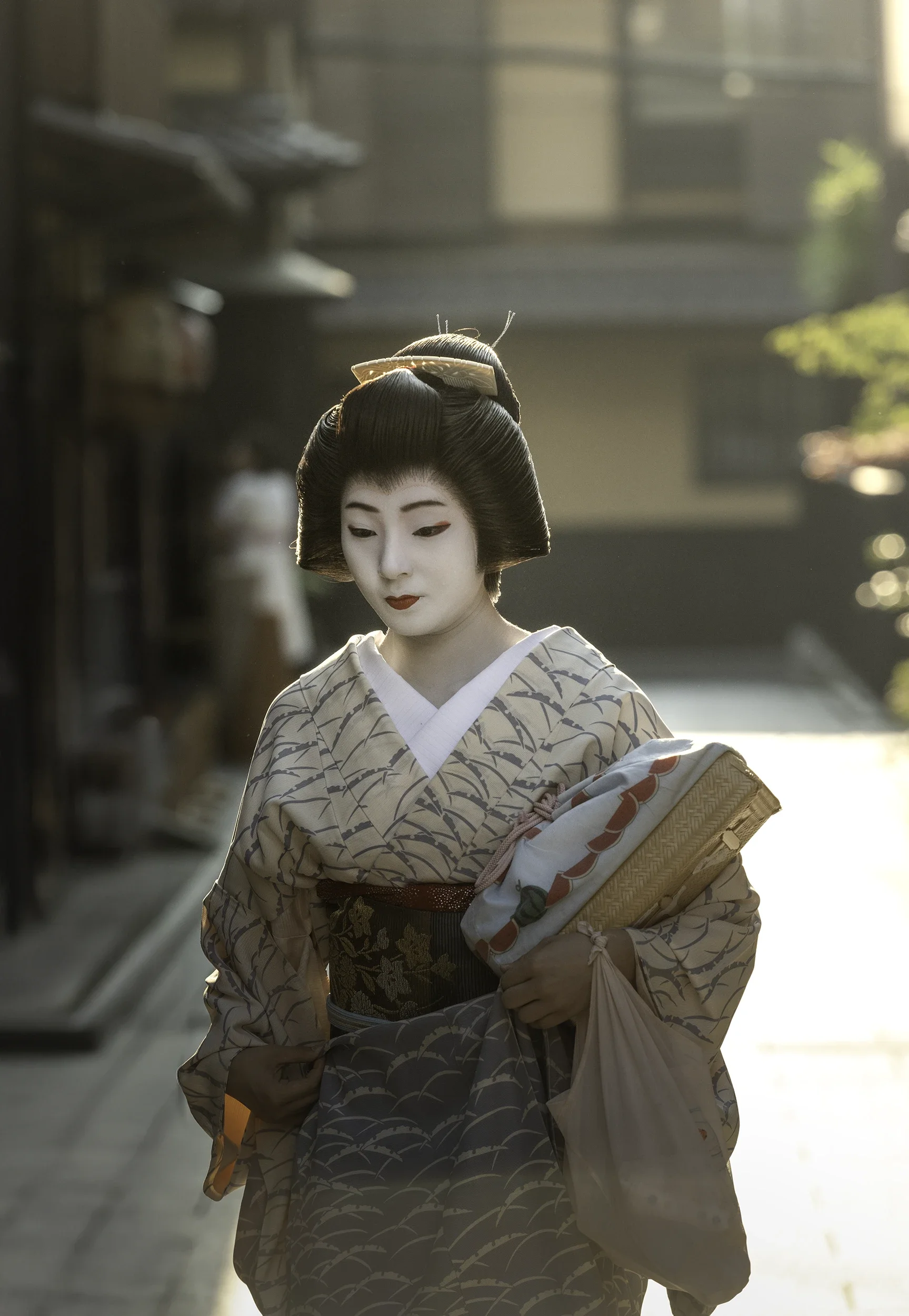
Geisha, iconic figures of Japan, represent a unique and elegant part of the country’s cultural heritage. Their image, often misunderstood outside Japan, is synonymous with grace, discipline, and mastery of traditional arts. Far from the Western stereotypes that associate them with prostitution, geisha embody the quintessence of Japanese refinement.
The History of Geisha: An Art Passed Down Through Centuries
The origins of geisha date back several centuries. The word "geisha" (芸者) is composed of the kanji "gei" (芸), meaning "art" or "talent," and "sha" (者), meaning "person." Literally, geisha are "people of the arts."
The history of geisha began in the 16th century with the taikomochi, male entertainers who entertained Japanese lords through dance, music, and poetry recitations. Over time, women began to take their place in this field, bringing grace and subtlety.
The first female geisha, called onna geisha, appeared in the 18th century during the Edo period (1603-1868). They primarily performed in ochaya (tea houses) and ryotei (traditional restaurants), where they entertained guests with their mastery of singing, dancing, and playing instruments like the shamisen. Entertainment districts, such as Kyoto’s famous Hanamachi, became centers of refined culture.
It is essential to distinguish geisha from oiran (high-ranking courtesans). Oiran, who worked in pleasure districts, combined artistic entertainment with intimate relationships. In contrast, geisha were strictly professional artists. This confusion, which persists today, originated from the period when their roles coexisted in the same districts.
With the advent of modernity in the 20th century, the number of geisha significantly declined. During World War II, many women were forced to abandon their art to support the war effort. After the war, geisha culture survived but became a rare art, rigorously preserved in a few traditional districts.
The Role of Geisha in Japanese Culture
Geisha play a central role in preserving traditional Japanese arts. Their demanding and rigorous training transforms them into true masters of the arts.
The training to become a geisha is long and intense. Apprentices, called maiko in the Kyoto region, begin their training in adolescence. They are taught traditional arts such as traditional dance (nihon buyo) ; music, particularly playing the shamisen, accompanied by singing ; the tea ceremony ; and conversation and poetry
Maiko live in an okiya (geisha house) under the supervision of experienced geisha who pass down their knowledge. Once their training is complete, they become geiko, the term used in Kyoto to refer to accomplished geisha.
Geisha are renowned for their elegance and their ability to captivate guests at private gatherings. They master the art of conversation, subtle humor, and making their guests feel comfortable. Their role is to create a harmonious atmosphere where beauty, art, and Japanese culture fully express themselves.
Although their numbers have declined, geisha continue to work in traditional districts such as Gion in Kyoto and Asakusa in Tokyo. They also participate in festivals and events where they showcase their artistic performances to the public.
Where to Meet Geisha in Japan?
Kyoto, particularly the Gion district, is the most emblematic place to encounter geisha and maiko. Gion is famous for its cobbled streets, traditional tea houses, and cultural performances. Spring and autumn are ideal times to attend performances such as the Miyako Odori, where maiko elegantly dance in sumptuous kimonos.
In Tokyo, the historic district of Asakusa still hosts geisha. Though less visible than in Kyoto, they organize events and performances. High-end establishments offer private evenings with geisha for an unforgettable experience.
Kanazawa, in Ishikawa Prefecture, is another city where geisha traditions are preserved. The Higashi Chaya and Kazue-machi districts offer a more intimate atmosphere to observe these artists at work.
Many festivals allow the public to watch geisha performances. For example, the Hanami Odori in spring or the Gion Matsuri in Kyoto are unique opportunities to see them in action.
Debunking the Myth: Geisha Are Not Prostitutes
A persistent misconception in the West is that geisha are associated with prostitution. This confusion stems mainly from the post-war period when women posing as geisha offered sexual services to foreign soldiers. However, true geisha have never been linked to such practices.
Geisha are artists dedicated to traditional arts. Their work consists of entertaining through music, dance, conversation, and other forms of art. Their presence at private events or festivals is strictly professional and artistic.
Conclusion: A Living and Fascinating Art
Geisha represent a living symbol of Japanese culture and elegance. Their role, often misunderstood, is nonetheless crucial in preserving traditional arts. Through rigorous training and dedication, they embody a form of artistic excellence that continues to inspire admiration and respect.
Whether in Kyoto, Tokyo, or Kanazawa, encountering a geisha is a unique experience that immerses visitors in the refined atmosphere of old Japan. Far from stereotypes, they are guardians of a precious cultural heritage, a bridge between the past and the present. Over the centuries, geisha have evolved while remaining true to their roots, demonstrating the richness and depth of Japanese culture.