
Stories
This blog is where photography and Japan come together.
Discover inspiring places to explore and photograph across Japan, alongside stories, travel insights and reflections from more than a decade behind the camera.
Each article is an invitation to experience Japan beyond the obvious.
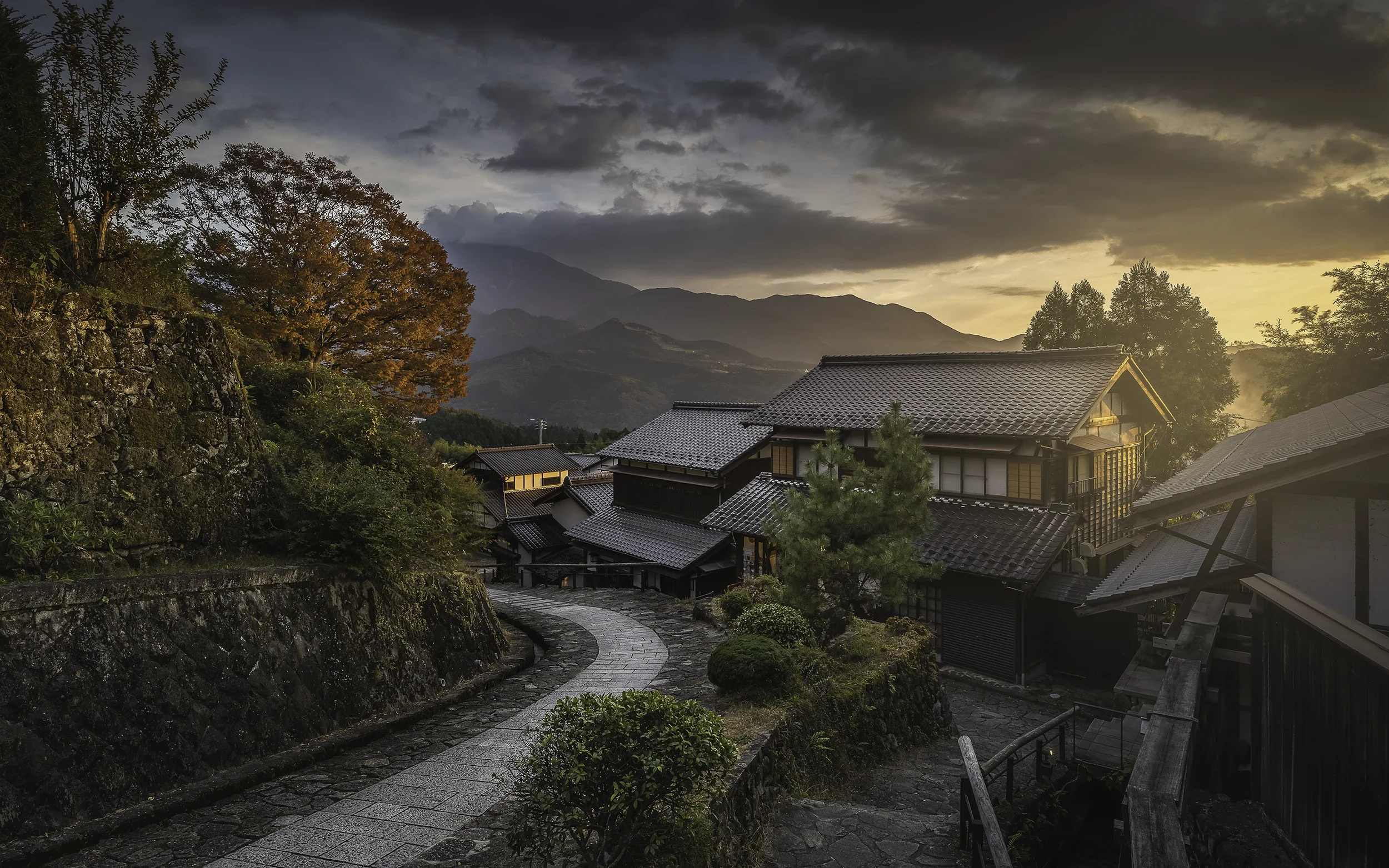
Magome-juku: A Journey into Japan's Historical Heart
Magome-juku: A Journey into Japan's Historical Heart
Magome-juku (馬籠宿) is a historic post town nestled in the Kiso Valley along the famous Nakasendo Trail, which connected Kyoto to Edo (modern-day Tokyo) during the Edo period (1603-1868). Located in the mountainous Gifu Prefecture, Magome-juku is a charming spot where time seems to stand still, offering visitors an authentic glimpse into feudal Japan. With its cobblestone streets lined with traditional houses, this picturesque village is a must-visit destination for history buffs, nature lovers, and fans of Japanese culture.
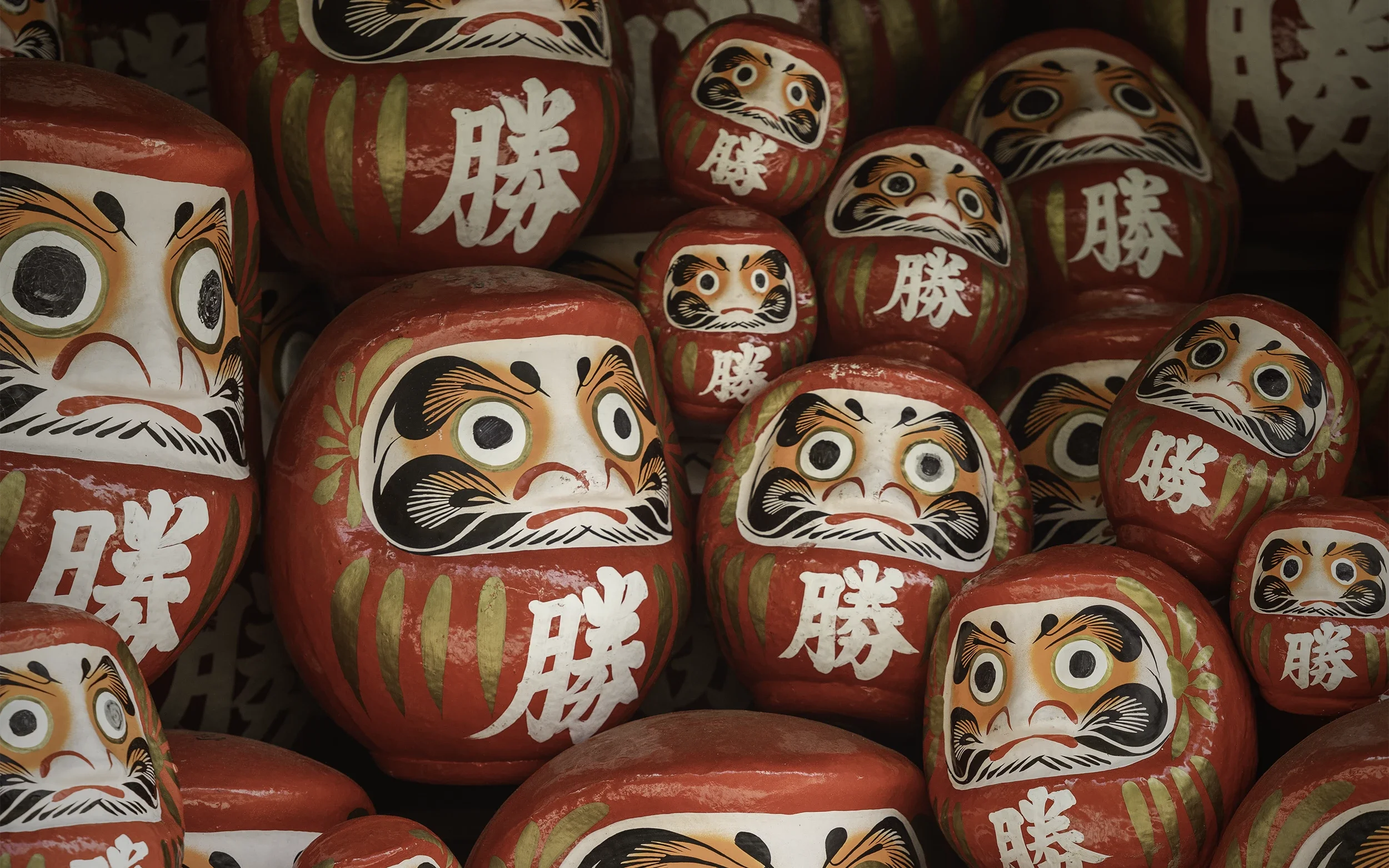
Katsuo-ji: The Temple of Darumas in Japan
Katsuo-ji: The Temple of Darumas in Japan
Japan is a land rich in tradition and spirituality, and one of the most iconic symbols of this culture is the daruma. Katsuo-ji, a temple nestled in the mountains of Osaka Prefecture, is renowned as a pilgrimage site dedicated to these small good-luck figurines.
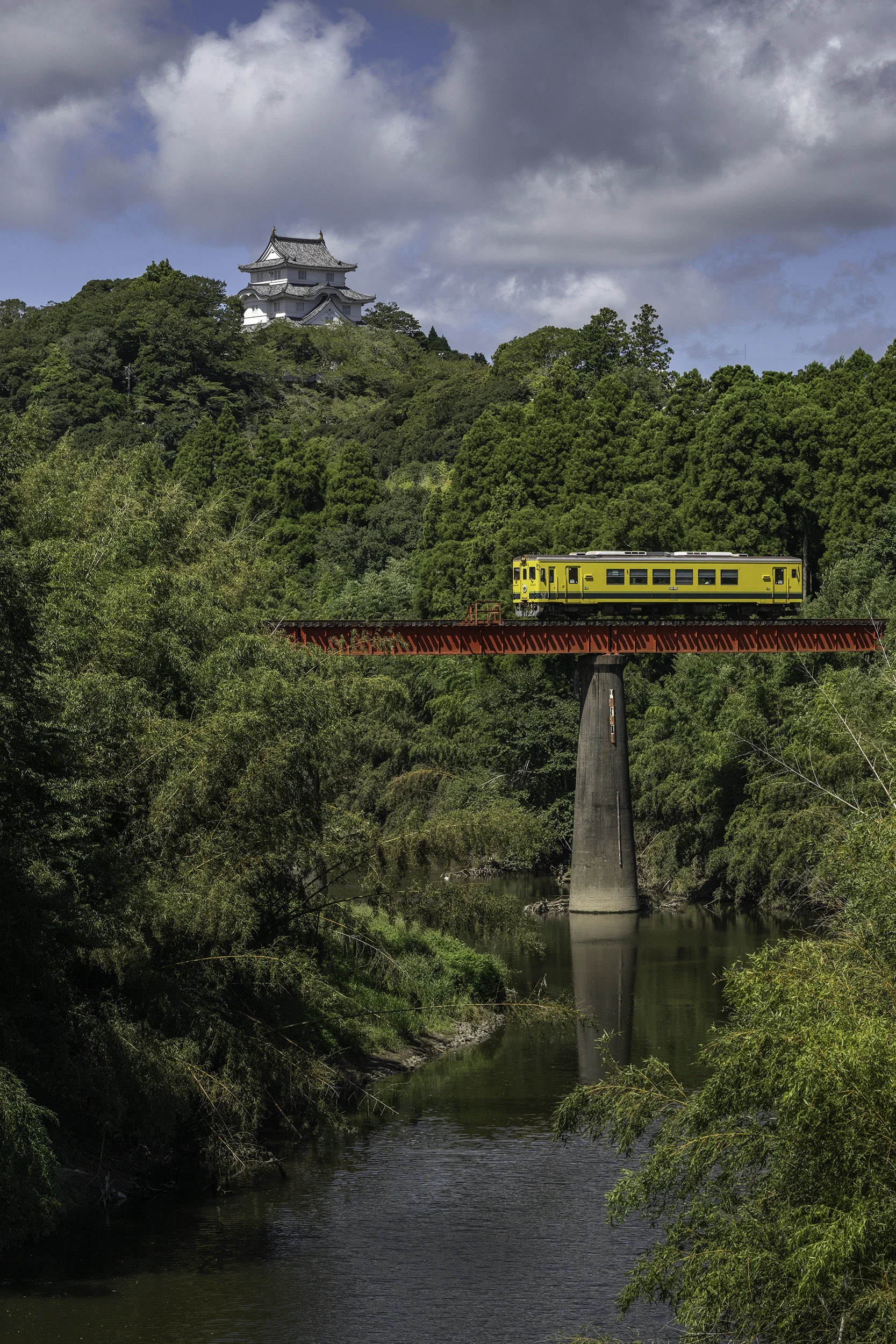
Isumi Line in Chiba: A Journey Through History and Activities
Isumi Line in Chiba: A Journey Through History and Activities
The Isumi Line is a local railway line that runs through part of Chiba Prefecture in Japan. Little known outside the regions it serves, this line plays a crucial role in the daily lives of local residents. It connects smaller towns and neighborhoods to larger hubs, providing travelers with a convenient way to explore Chiba.
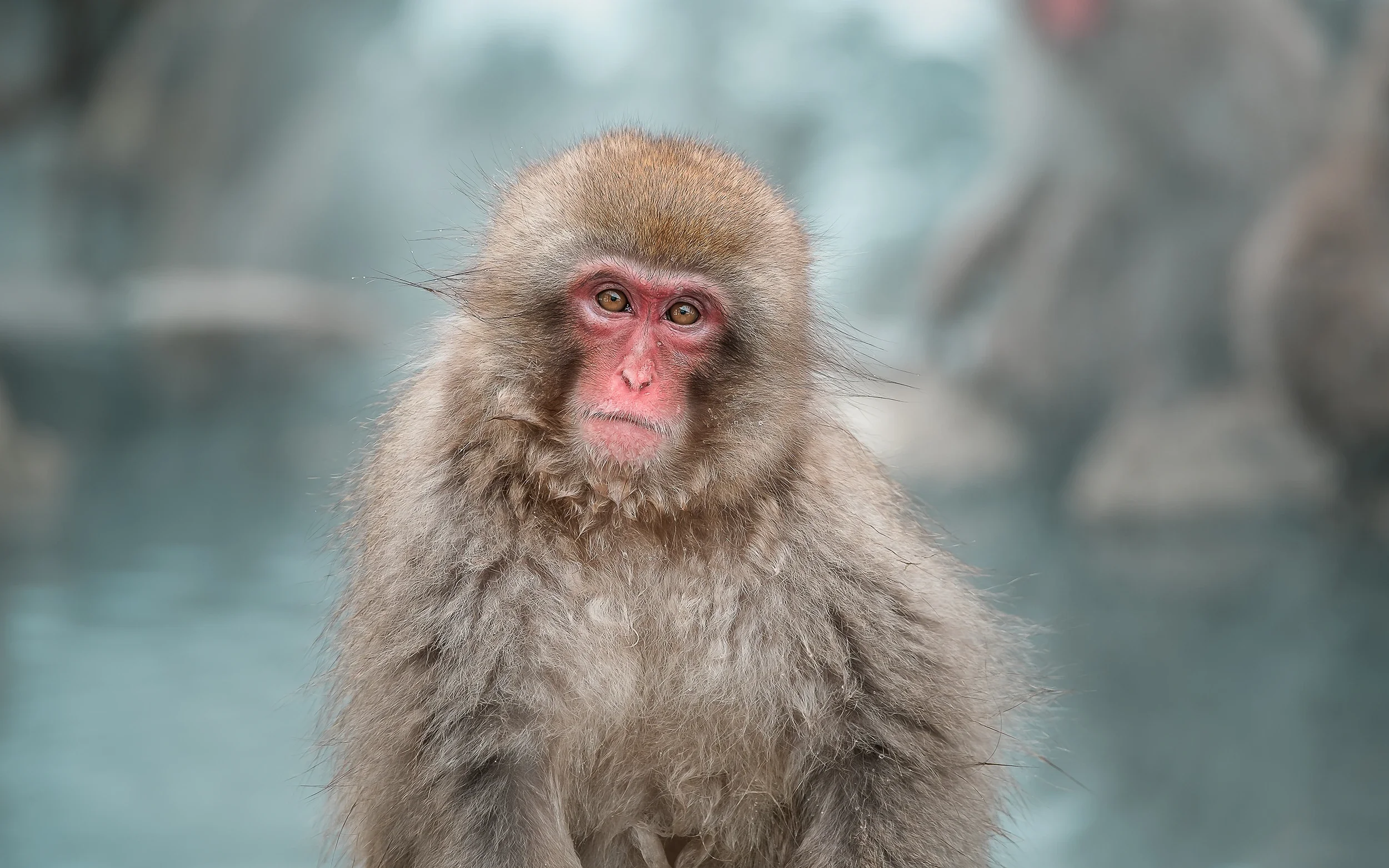
A Guide to Jigokudani Monkey Park in Nagano
A Guide to Jigokudani Monkey Park in Nagano
Jigokudani Monkey Park in Nagano is one of the top winter attractions in Japan. It offers visitors a unique experience: observing wild Japanese macaques bathing in a steaming hot spring.
This world-famous park is nestled in the Yokoyu River Valley, north of Nagano. The rising steam from the hot springs and the rugged cliffs give the area a mystical and almost infernal atmosphere, hence its name Jigokudani (Hell Valley).
Winters here are extremely cold, and the wild monkeys have adapted by warming themselves in the natural hot springs, known as onsen. If you're planning a trip to capture exceptional photos of nature in Japan, the bathing monkeys at Jigokudani Monkey Park in Nagano will never disappoint.

Batting Centers in Japan: An Immersion into Sports Culture
Batting Centers in Japan: An Immersion into Sports Culture
Batting centers are a true institution in Japan, offering baseball enthusiasts the opportunity to practice their batting skills in a fun and accessible environment. Found in both major cities and rural areas, these centers provide a solution for Japanese people of all ages who wish to improve their baseball abilities or simply have a good time. More than just an entertainment venue, batting centers are deeply embedded in the country’s sports culture and play a key role in popularizing the sport.
Japan's 8 Regions: Geography, Prefectures and Key Features
Japan's 8 Regions: Geography, Prefectures and Key Features
Japan is a nation rich in cultural, geographical, and historical diversity, divided into 47 prefectures. Each prefecture boasts its own unique characteristics, contributing to the country's richness and complexity. However, Japan is also divided into eight main regions, grouping these prefectures based on geographical and historical criteria.
The Seven Lucky Gods in Japanese Buddhism: Mythology, Characteristics, and Worship
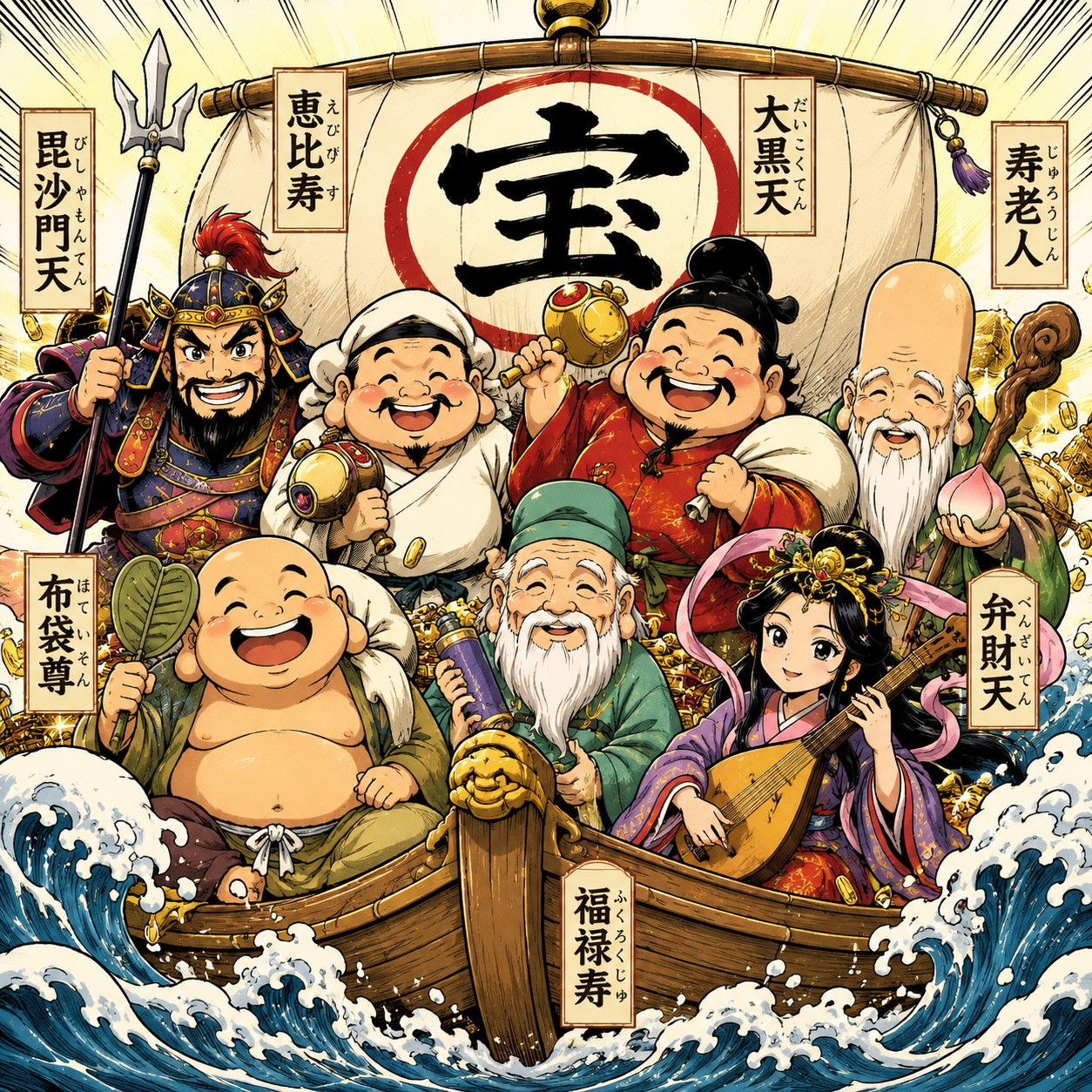
The Seven Lucky Gods in Japanese Buddhism: Mythology, Characteristics, and Worship
The Seven Lucky Gods hold a special place in Japanese culture and spirituality. Originating from a blend of Buddhist, Shinto, Taoist, and Hindu beliefs, these deities are revered for bringing happiness, prosperity, and longevity. Their worship became popular during the Edo period and remains deeply ingrained in contemporary Japanese society.
Godzilla: The Legendary Icon of Japan and Global Pop Culture
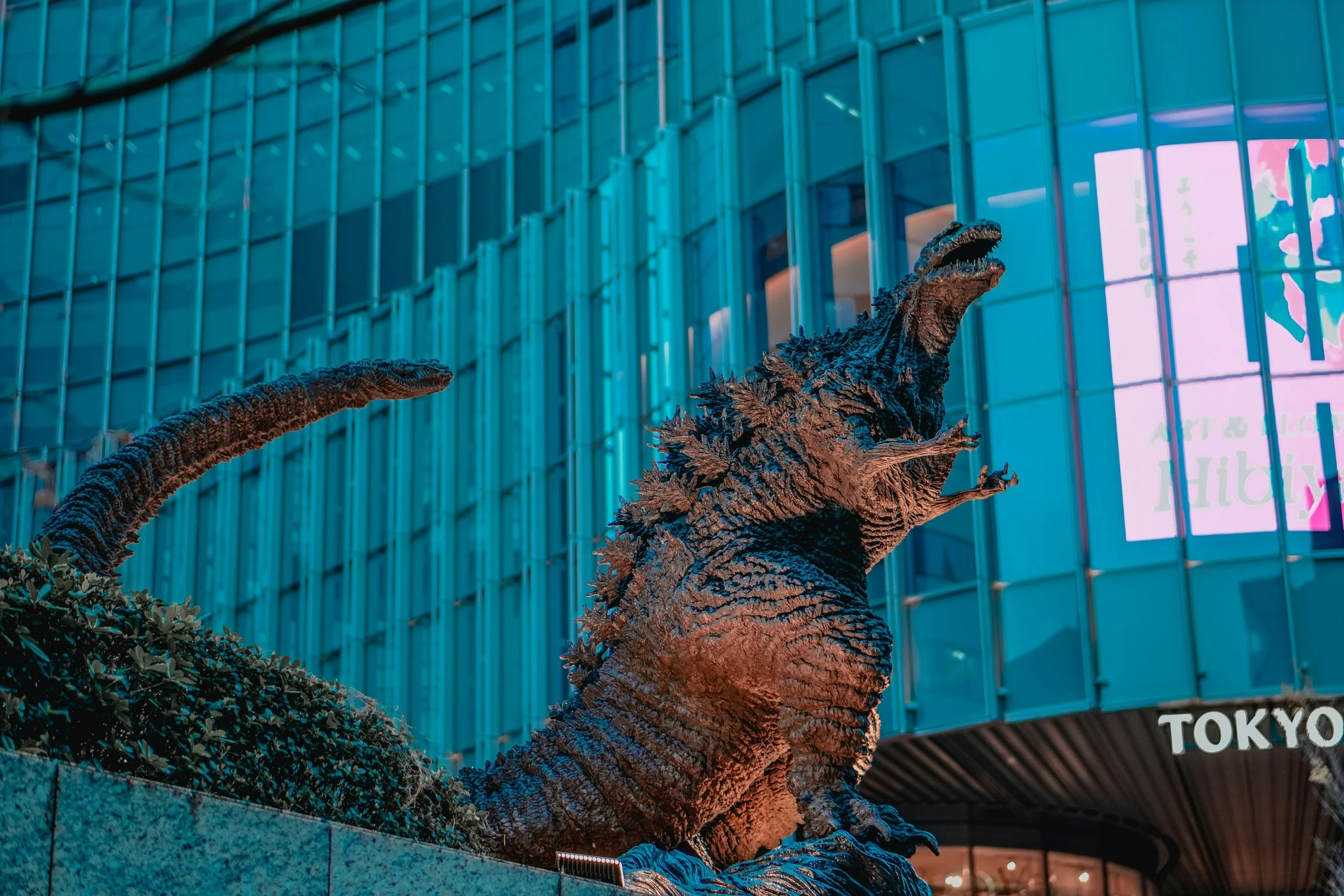
Godzilla: The Legendary Icon of Japan and Global Pop Culture
Godzilla (ゴジラ), often called the King of Monsters, is much more than just a movie creature. First appearing on the big screen in 1954, this massive reptilian creature has become a symbol of Japanese and global culture, embodying themes ranging from nuclear destruction to human resilience. With over 30 films, numerous appearances in series, comics, video games, and toys, Godzilla holds a central place in collective imagination and pop culture.
The ChUgoku Region: A Journey through History, Geography, and Specialties
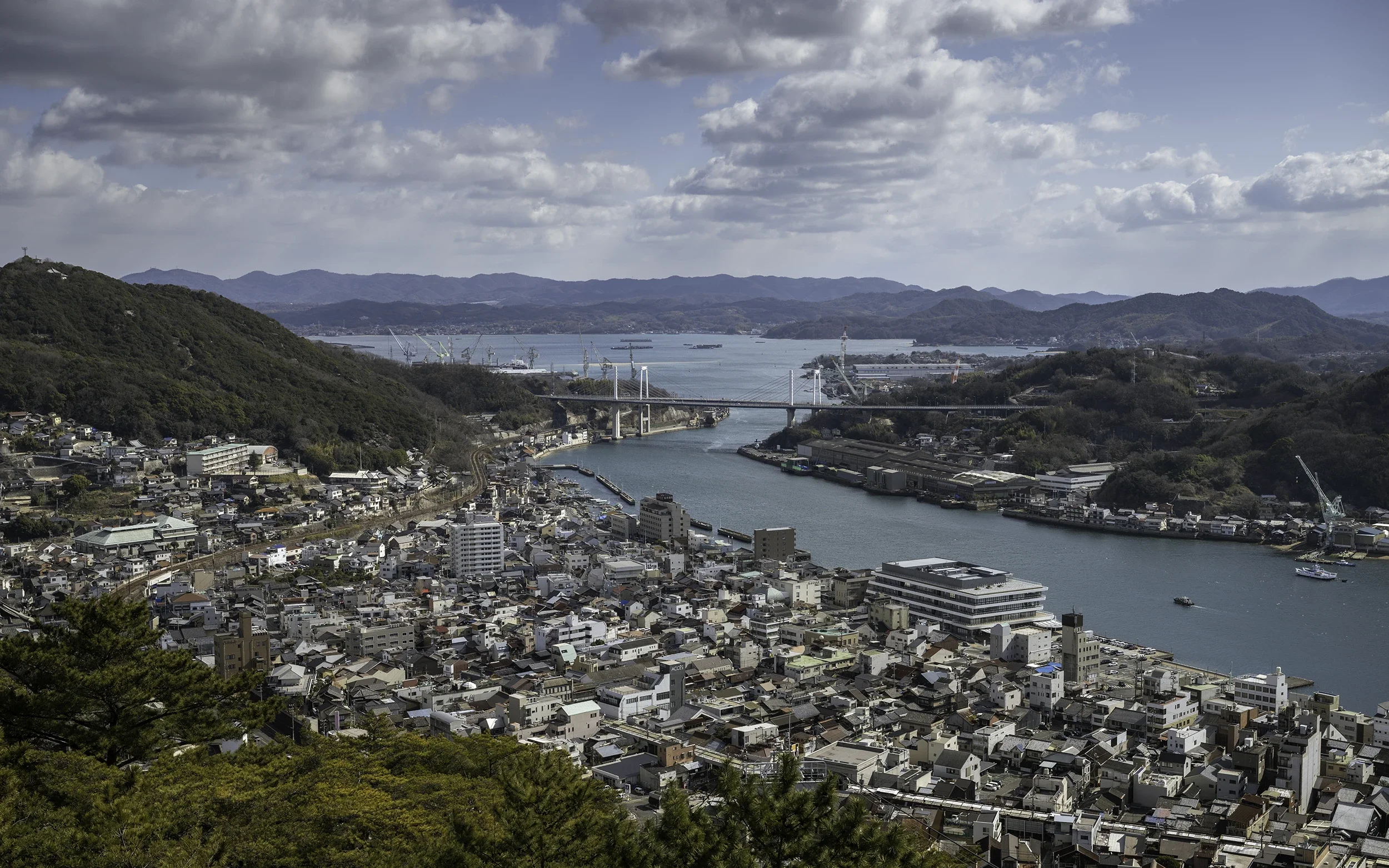
The Chūgoku Region: A Journey through History, Geography, and Specialties
The Chūgoku region, located in the western part of Japan’s main island, Honshu, is often overshadowed by major Japanese metropolises like Tokyo and Kyoto. Yet, this region, rich in history, diverse landscapes, and culinary specialties, deserves special attention.
The ChUbu Region: The Heart of Japan
The Chūbu Region: The Heart of Japan
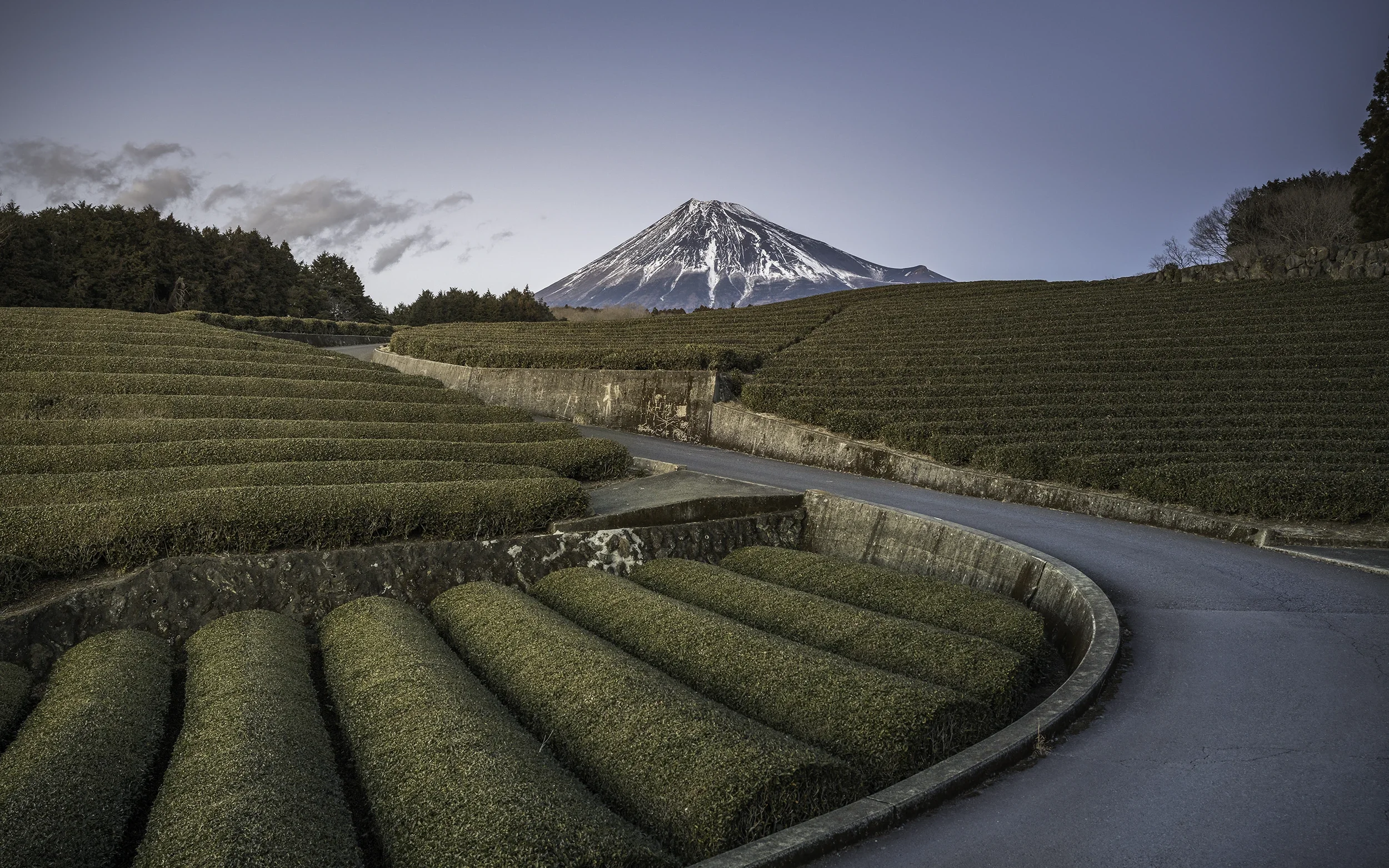
The Chūbu region, located in the center of Japan's main island, Honshu, is often described as the heart of the country, both for its geographical position and its rich cultural and historical heritage. Stretching from the Japanese Alps to the coasts of the Sea of Japan, this region boasts an impressive diversity of landscapes, traditions, and culinary specialties.
Japanese Calligraphy: History, Characteristics, and Immersion in This Ancient Art
Japanese Calligraphy: History, Characteristics, and Immersion in This Ancient Art
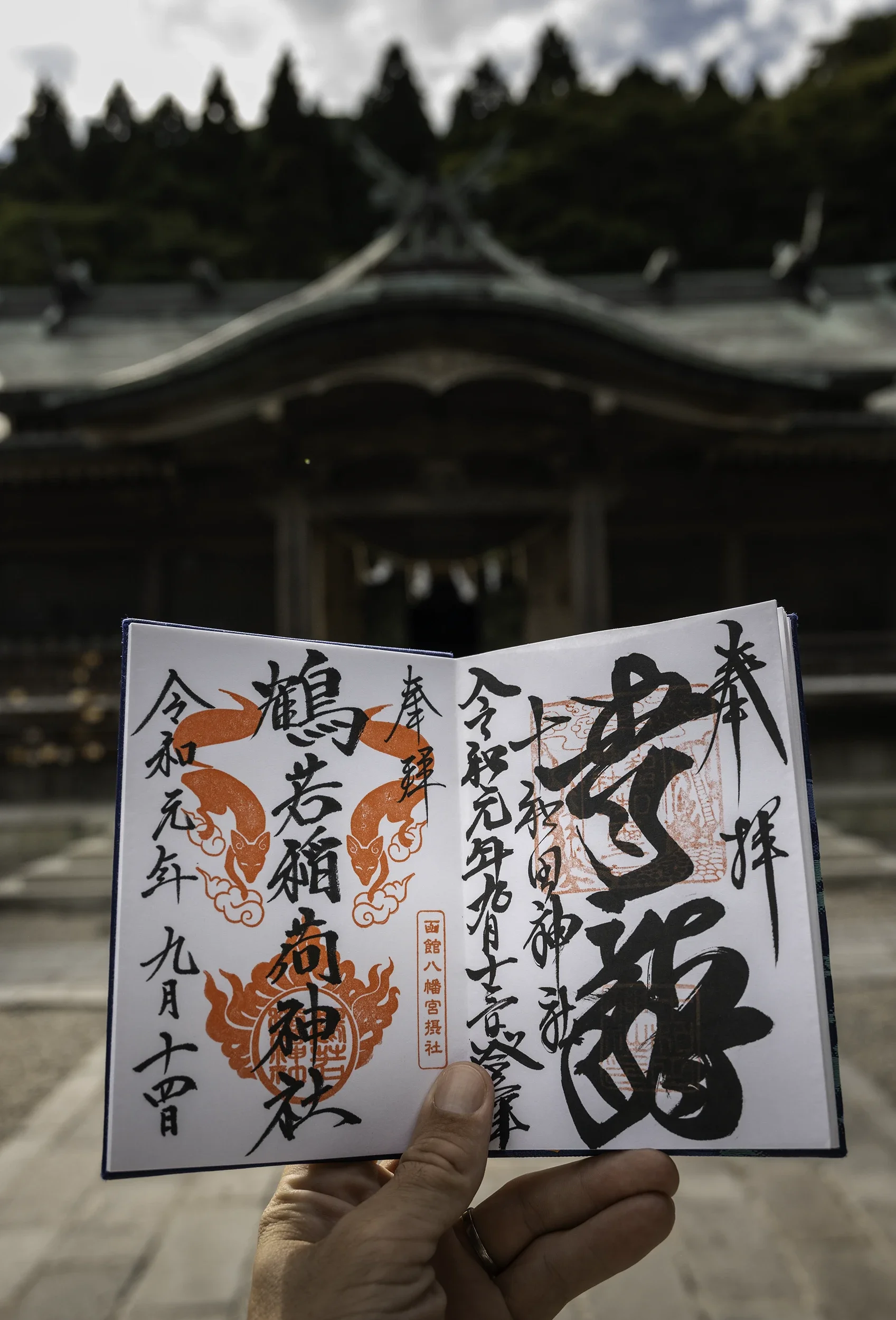
Japanese calligraphy, or shodō (書道), is much more than just an artistic practice. It embodies a philosophy, a mode of expression, and a tradition deeply rooted in Japan’s history. This art, which involves writing with a brush and ink on paper, is both a rigorous discipline and a means of cultivating inner harmony.
Nijo Castle — The Architecture of Power in the Heart of Kyoto
Nijo Castle — The Architecture of Power in the Heart of Kyoto
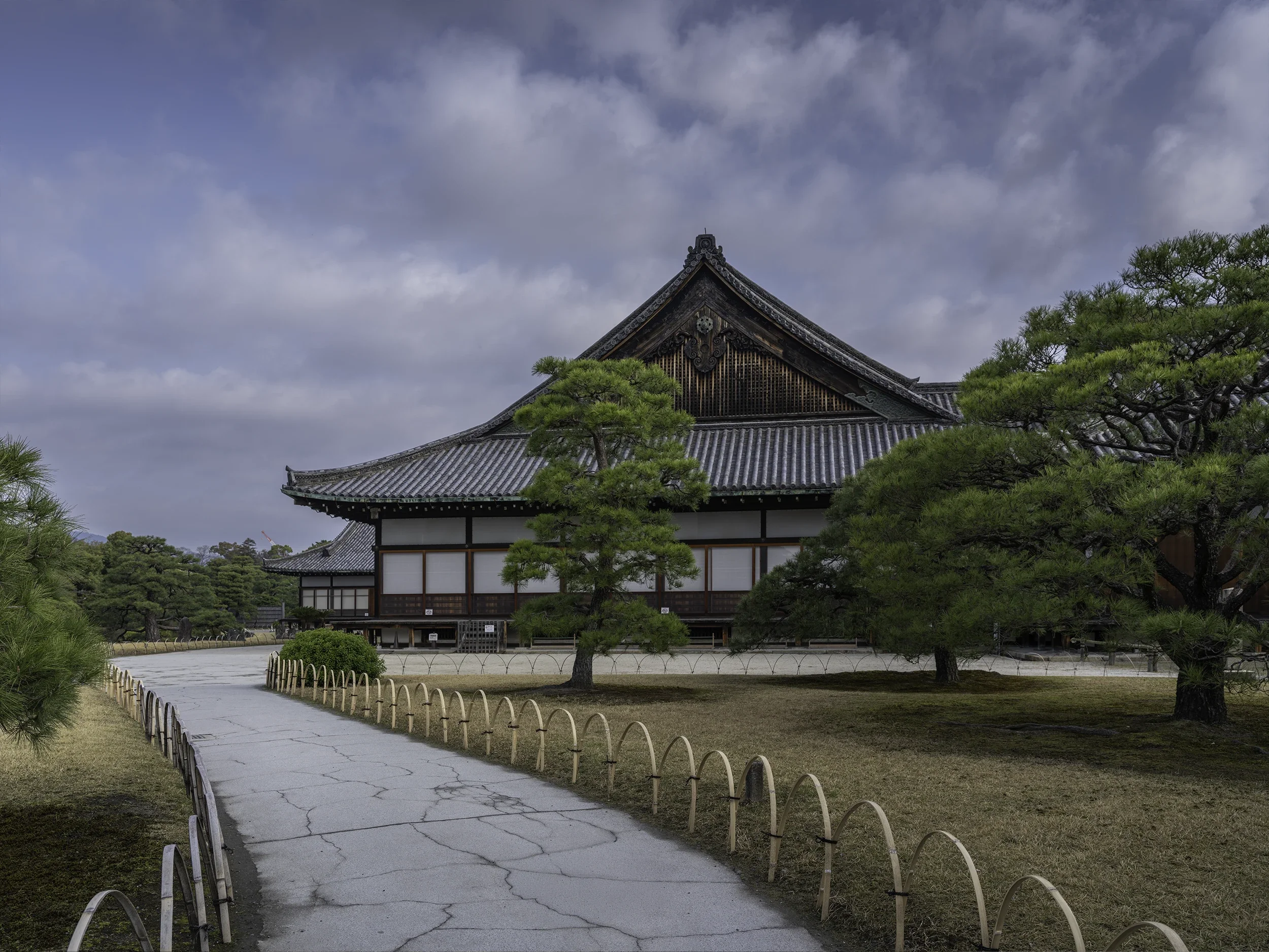
In the heart of Kyoto, just a few minutes from the Imperial Palace, lies a vast complex of stone walls, moats, and elegant wooden buildings: Nijo Castle. At first glance, it might appear to be one of Japan's many historic castles. Yet unlike Himeji or Matsumoto, Nijo was never intended to serve primarily as a military fortress.
Instead, it was built as a stage for political authority—a carefully designed residence that projected the power of the shogun in the very city where the emperor and the imperial court still resided.
Constructed at the beginning of the 17th century by Tokugawa Ieyasu, founder of the Tokugawa Shogunate, Nijo Castle symbolized the presence of military rule in what remained Japan's cultural and imperial capital. For more than two centuries, it served as the official Kyoto residence of successive Tokugawa shoguns.
Echizen-Ōno: The Hidden Little Kyoto in the Mountains of Japan
Echizen-Ōno: The Hidden Little Kyoto in the Mountains of Japan
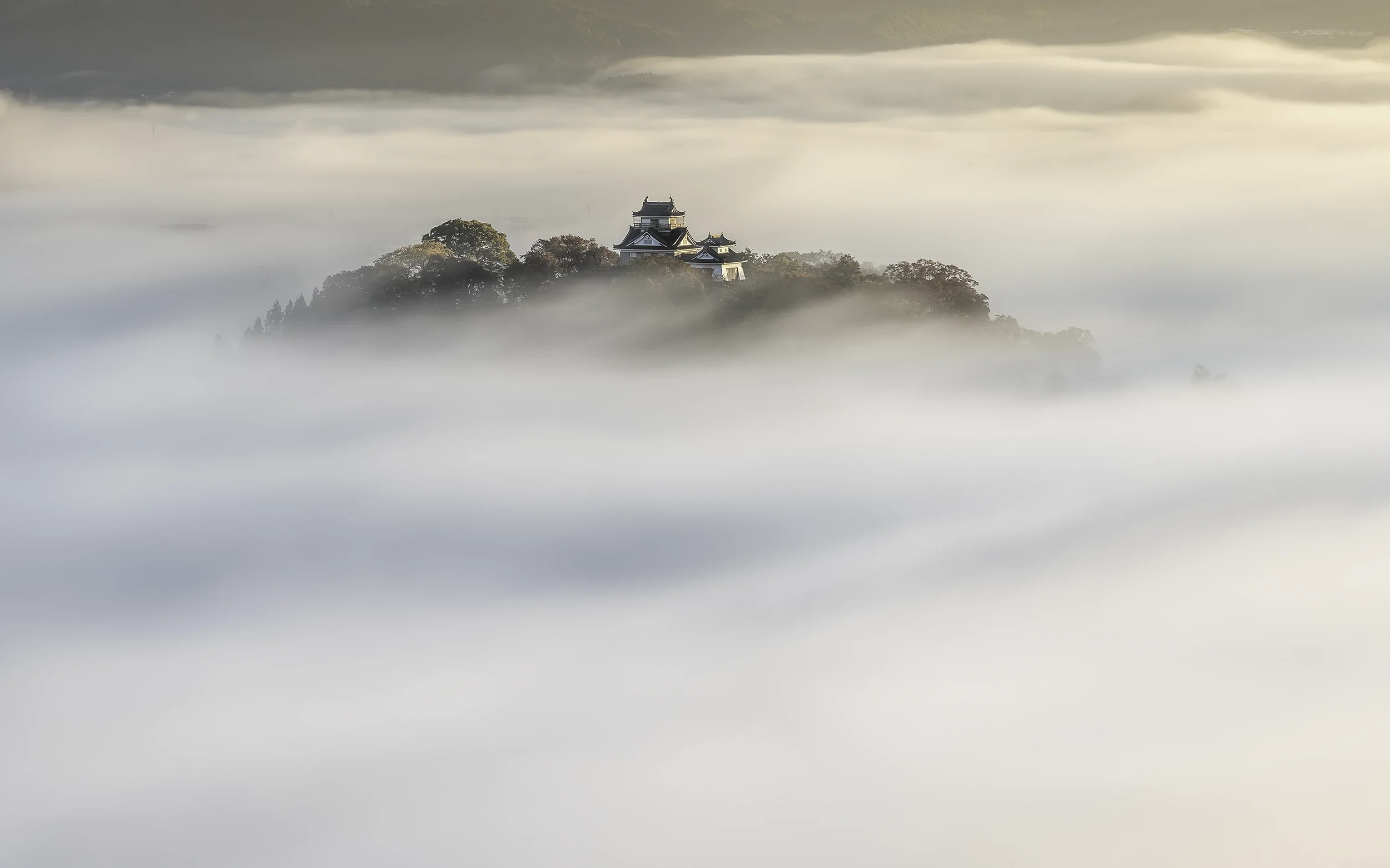
Nestled in the mountains of Fukui Prefecture, the city of Echizen-Ōno is often called the "Little Kyoto of Hokuriku" due to its picturesque setting, rich historical heritage, and traditional atmosphere. While it may not always be included in mainstream tourist itineraries, this charming castle town is full of cultural and natural treasures.

The Hokusai Museum in Tokyo: A Tribute to the Master of Japanese Ukiyo-e Prints
The Hokusai Museum in Tokyo: A Tribute to the Master of Japanese Ukiyo-e Prints
The Hokusai Museum, located in the Sumida district of Tokyo, is dedicated to one of Japan’s most celebrated artists: Katsushika Hokusai. Renowned for his woodblock prints, paintings, and drawings, Hokusai left a profound impact not only on Japanese art but also on Western art, particularly through the ukiyo-e movement, a distinctive style of prints that thrived during the Edo period.
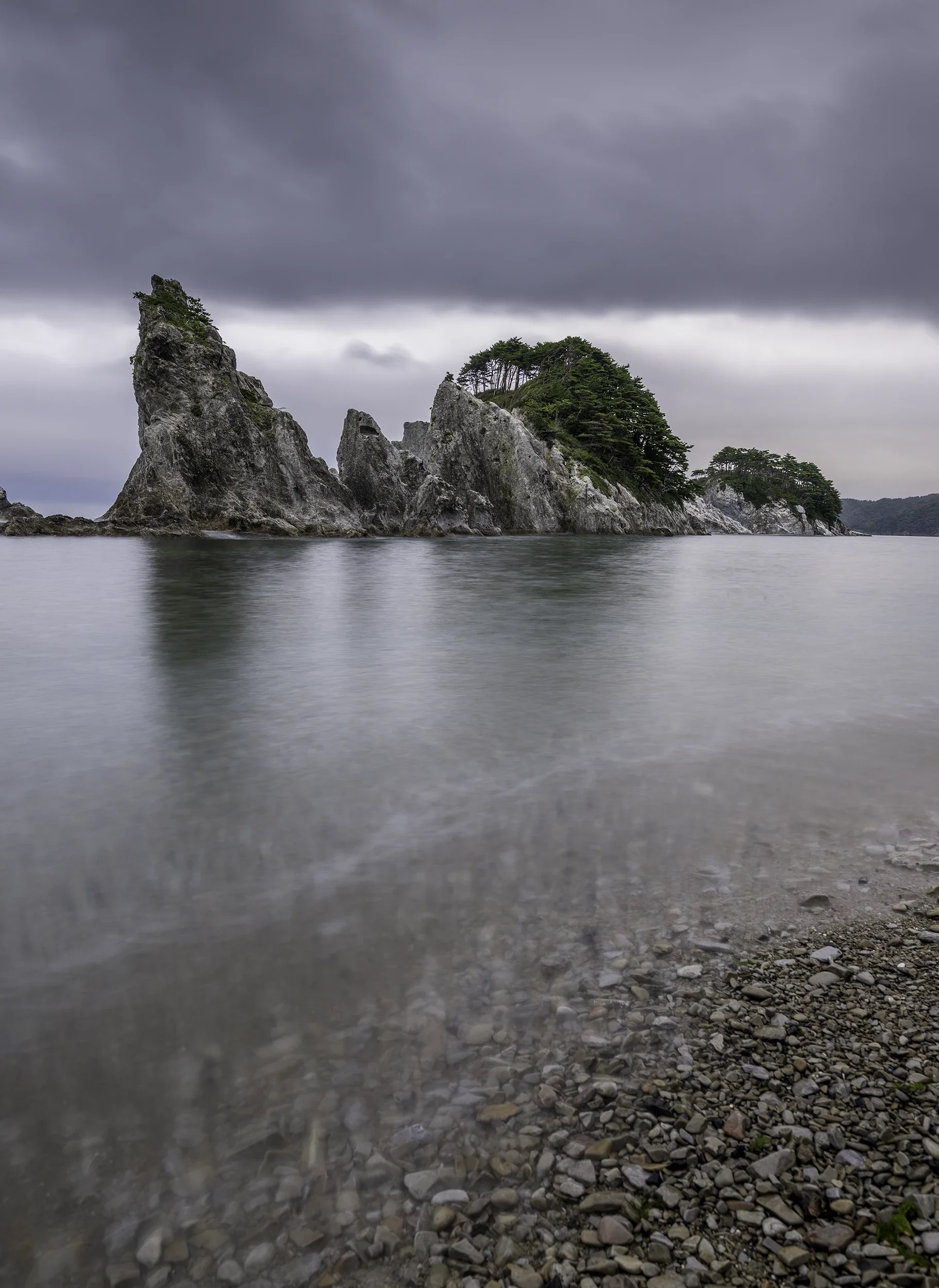
Jodogahama Beach: A Natural Gem on Japan's Sanriku Coast
Jodogahama Beach: A Natural Gem on Japan's Sanriku Coast
Located in Miyako City, on the northeastern coast of Honshu's main island, Jodogahama Beach is one of Japan's most iconic beaches. Its name, which literally means "Pure Land Beach," perfectly captures the serene beauty of this place, with its striking rock formations, crystal-clear waters, and pristine natural environment. The beach is part of the Sanriku Fukko National Park, a coastal area renowned for its wild landscapes and dramatic cliffs.
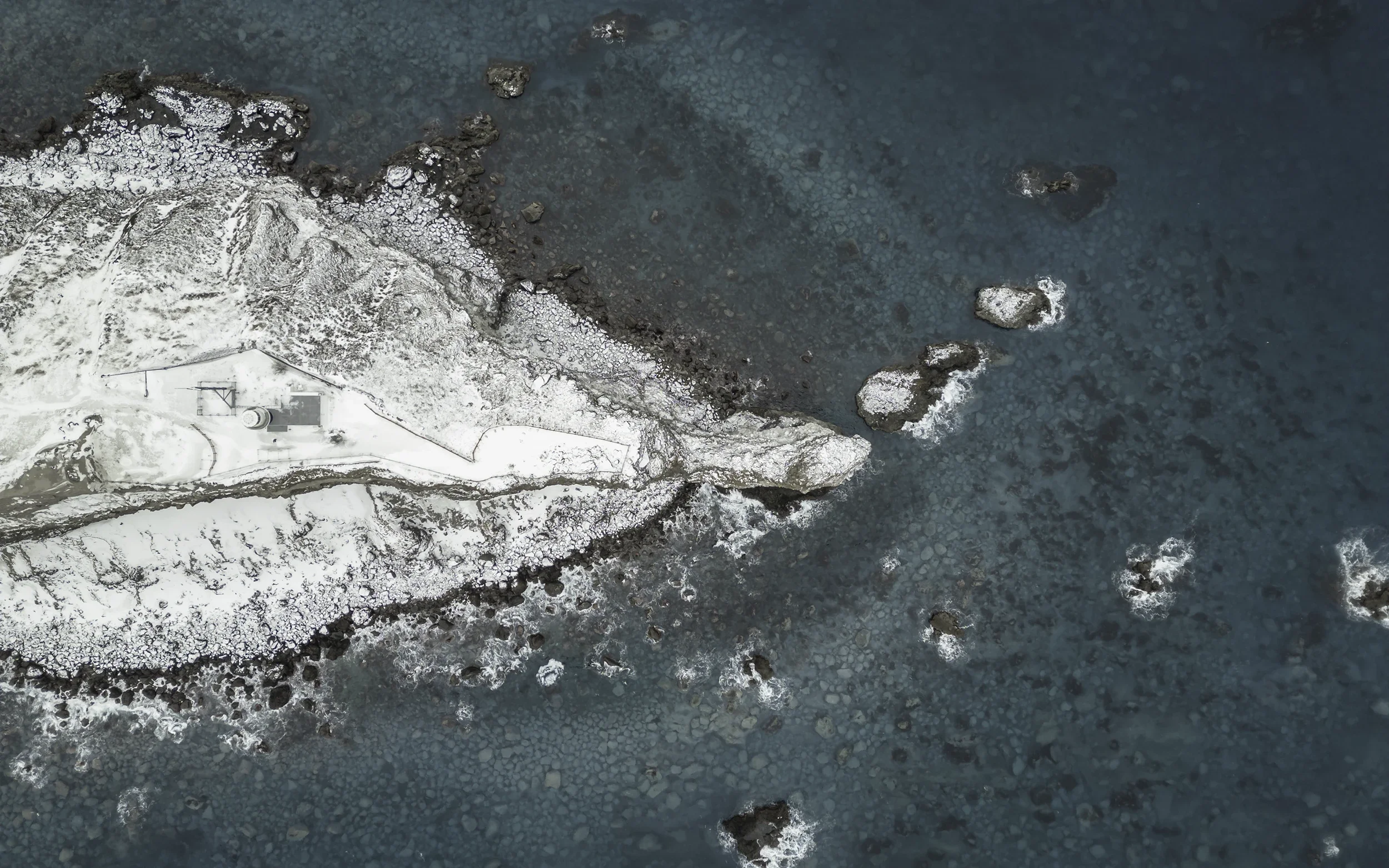
Cape Kamui: Wild Beauty, History, and Ainu Culture at the Heart of Hokkaido
Cape Kamui: Wild Beauty, History, and Ainu Culture at the Heart of Hokkaido
Cape Kamui, located on the Shakotan Peninsula on the western coast of Hokkaido, is a destination where breathtaking natural beauty meets fascinating history. Surrounded by the crystalline waters of the Sea of Japan, this rugged promontory is not only a popular tourist spot for its stunning landscapes but also holds deep cultural significance, especially for the Ainu people, the indigenous inhabitants of Hokkaido. Additionally, this site has gained recognition in modern manga, particularly in works celebrating Ainu history and culture.
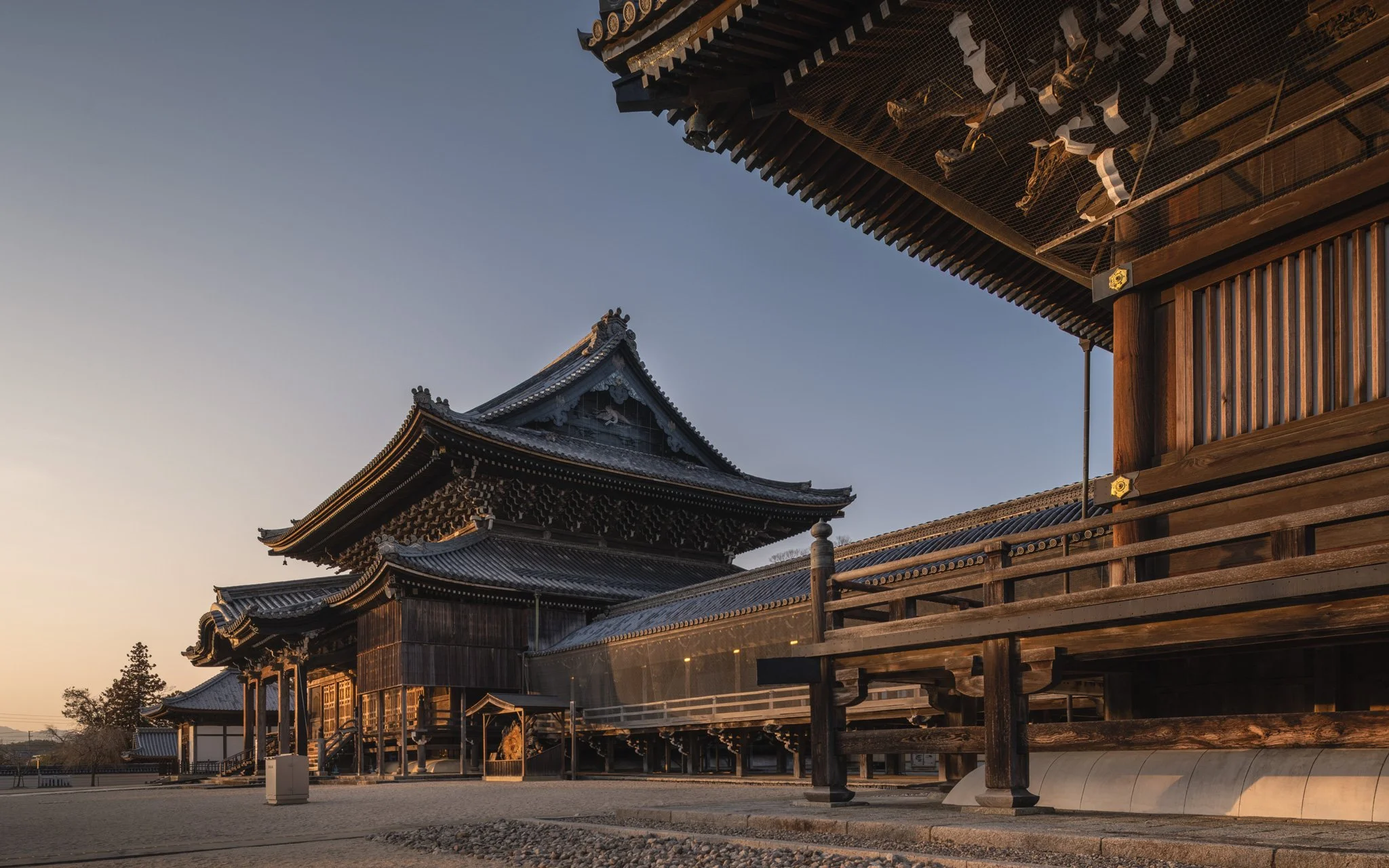
Senjuji Temple - A symbol of Japanese Culture
Hidden in the peaceful city of Tsu, in Mie Prefecture, Senju-ji Temple is one of Japan's most impressive yet surprisingly overlooked Buddhist temples. While many travelers flock to Kyoto's famous temples or Nara's historic landmarks, Senju-ji remains a tranquil destination where visitors can experience authentic Japanese spirituality without the crowds.
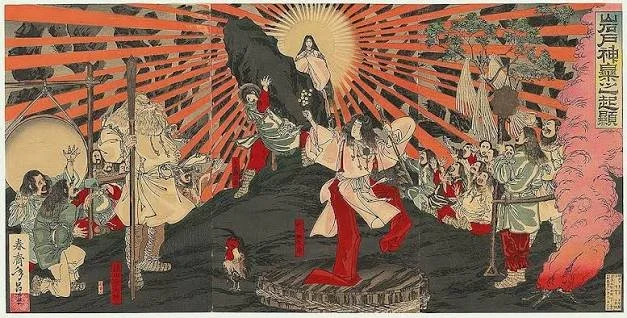
Amaterasu: The Sun Goddess and the Mythological Origins of Japan
Amaterasu: The Sun Goddess and the Mythological Origins of Japan
The figure of Amaterasu, the sun goddess, holds a central place in Japanese mythology. Revered as the ancestor of Japan's emperors, her story sheds light on the profound beliefs surrounding the divine origins of the nation. Amaterasu is not only the most venerated solar deity in the Shinto pantheon but also a symbolic figure representing light, royalty, and cosmic order. The connection between the myth of Amaterasu and the imperial lineage continues to play a vital role in contemporary Japanese culture, where mythology and history intertwine to forge a unique national identity.
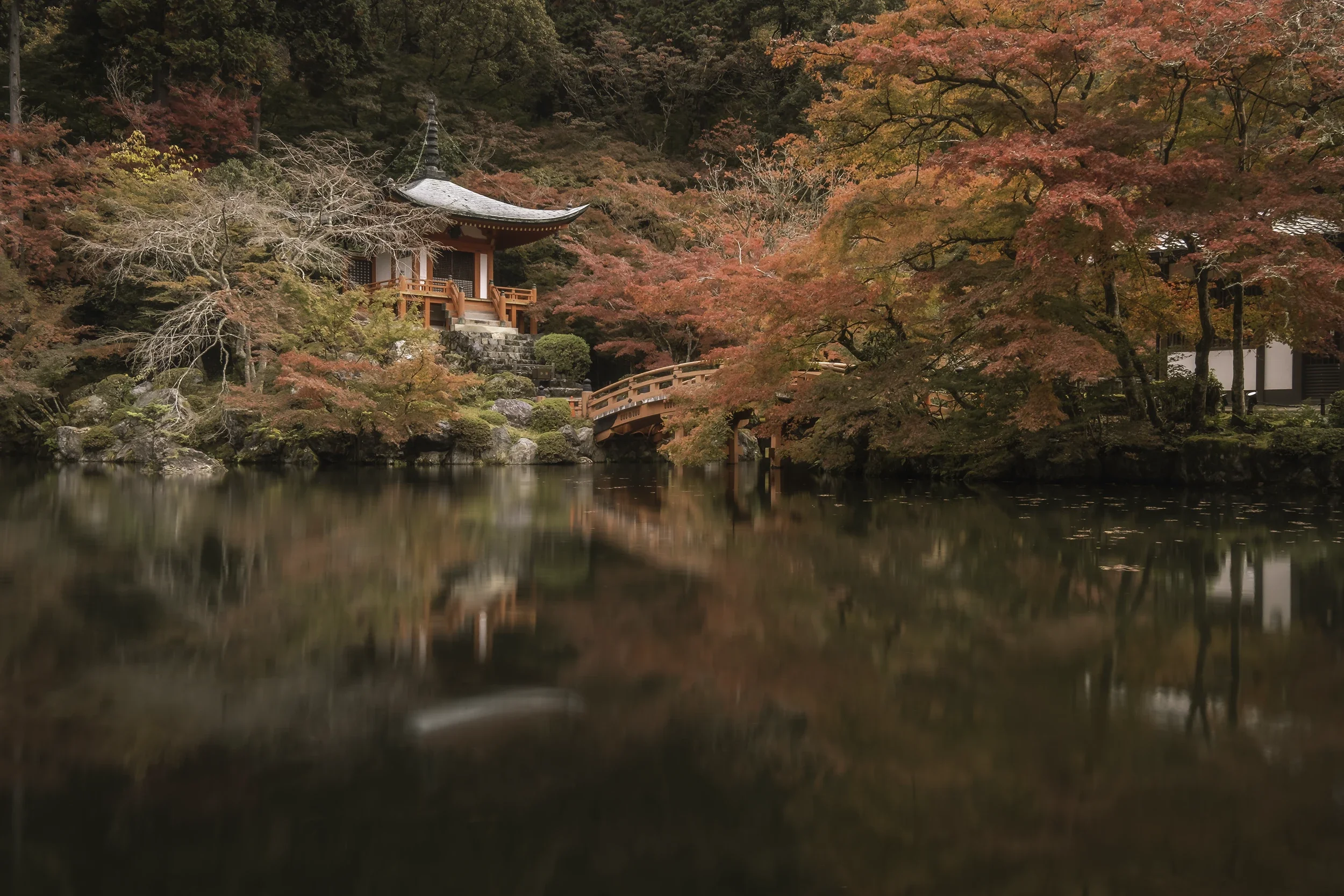
The 5 Must-See Spots in Kyoto: History, Highlights, and Access
The 5 Must-See Spots in Kyoto: History, Highlights, and Access
Kyoto, the former imperial capital of Japan, is a city that seamlessly blends modernity with rich history. Its unique atmosphere, filled with ancient temples, serene Zen gardens, and traditional districts, attracts millions of visitors every year. With over 1,600 Buddhist temples, 400 Shinto shrines, and 17 UNESCO World Heritage Sites, choosing among its treasures can be a challenge.
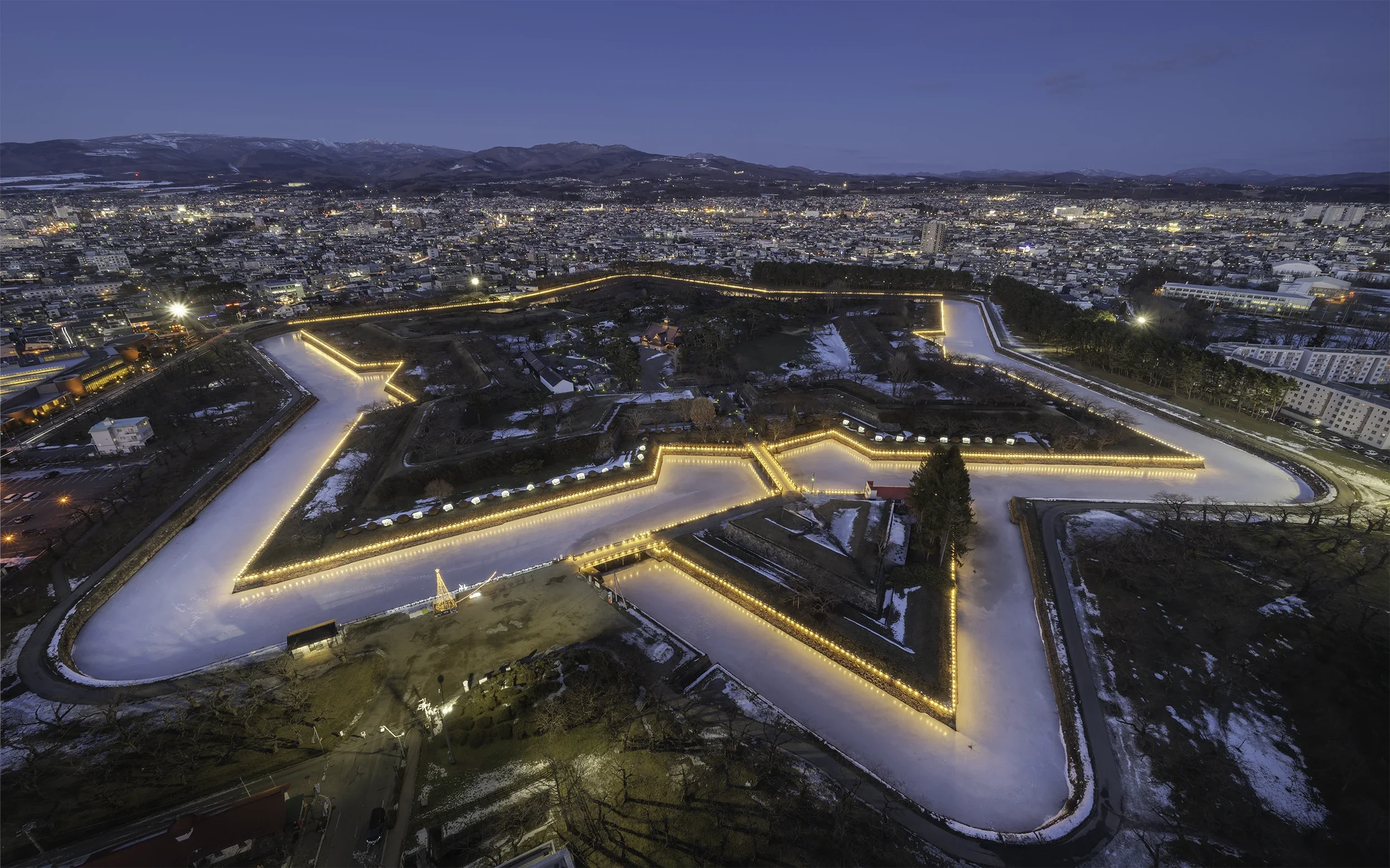
Goryokaku: A Star-Shaped Fortress at the Heart of Japanese History
Goryokaku: A Star-Shaped Fortress at the Heart of Japanese History
Located in Hakodate, on the island of Hokkaido, Goryokaku is one of Japan's most iconic fortresses, renowned for its unique star-shaped design and its pivotal role during the Boshin War. Now transformed into a park, this site symbolizes Japan's modernization during the turbulent late Tokugawa shogunate. Goryokaku stands as a testament to the nation's transition from feudalism to a modern era, where Japan opened itself to the world and adopted military and social innovations from the West.