
Climbing Mount Fuji in Japan: Tradition, Significance, and Practical Tips
Mount Fuji (富士山, Fujisan) is one of Japan's most iconic symbols. This majestic mountain, standing at 3,776 meters, is not only the highest peak in the country but also a site of great spiritual and cultural significance. Climbing Mount Fuji is an unforgettable experience, deeply rooted in ancient traditions and spiritual meaning for many Japanese and international visitors alike.
History and Spiritual Significance of Mount Fuji
Mount Fuji boasts a history that spans centuries. It is considered a sacred mountain in Shinto, Japan's indigenous religion, as well as in Buddhism. The mountain is often seen as a place where humans can connect with deities and nature, symbolizing purity, spiritual rebirth, and elevation toward the heavens. Over the centuries, Buddhist monks and Shinto practitioners have climbed Mount Fuji for spiritual purification, a tradition that continues to this day.
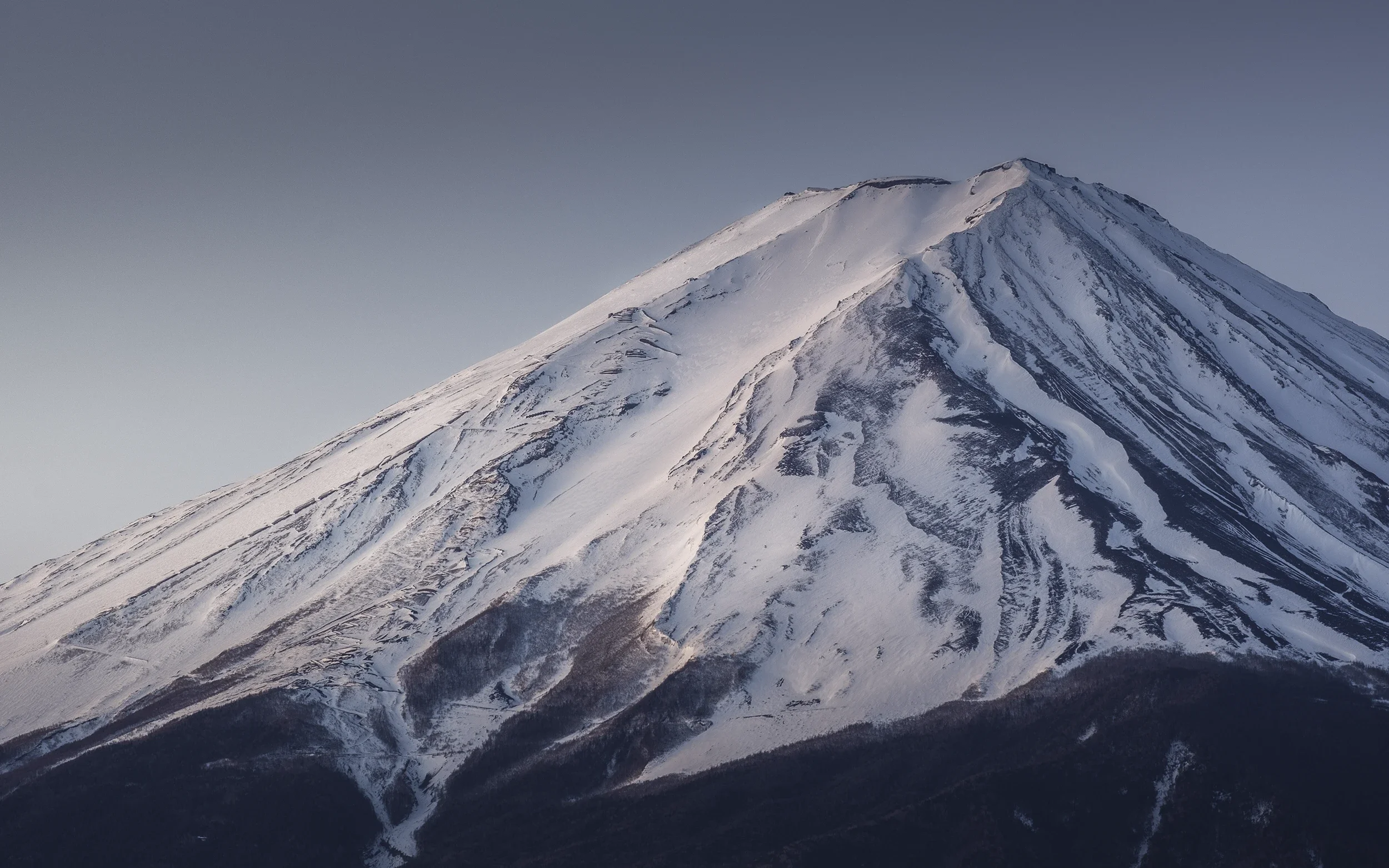
For many Japanese, climbing Mount Fuji is a form of pilgrimage. Every year, thousands of people undertake this journey, often with a sense of personal growth and respect for nature. The Japanese saying “富士山に一度登るのは幸せだが、二度登るのは愚か者だけだ” (“It is a blessing to climb Mount Fuji once, but only a fool climbs it twice”) perfectly encapsulates the respect and challenge of this ascent.
In 2013, Mount Fuji was designated a UNESCO World Heritage Site as a cultural property. This status reflects not only the mountain's spiritual and cultural importance but also its artistic influence, having inspired generations of artists, including the renowned painter Hokusai.
Traditions Associated with the Ascent
Climbing Mount Fuji is rich in symbolism and rituals. Many climbers approach this ancient mountain with a profound sense of reverence.
Before beginning their ascent, pilgrims often visit Sengen Shrine at the base of Mount Fuji. This shrine is dedicated to the Shinto deity Konohanasakuya-hime, the guardian of the mountain. This purification ritual is believed to prepare climbers for the journey in a spiritually pure state.
During the climb, mountain huts provide rest stops where hikers can purchase food, water, and even partake in Shinto rituals. Pilgrim stamps are a popular tradition; each hut has a unique stamp that hikers collect as a memento of their journey.
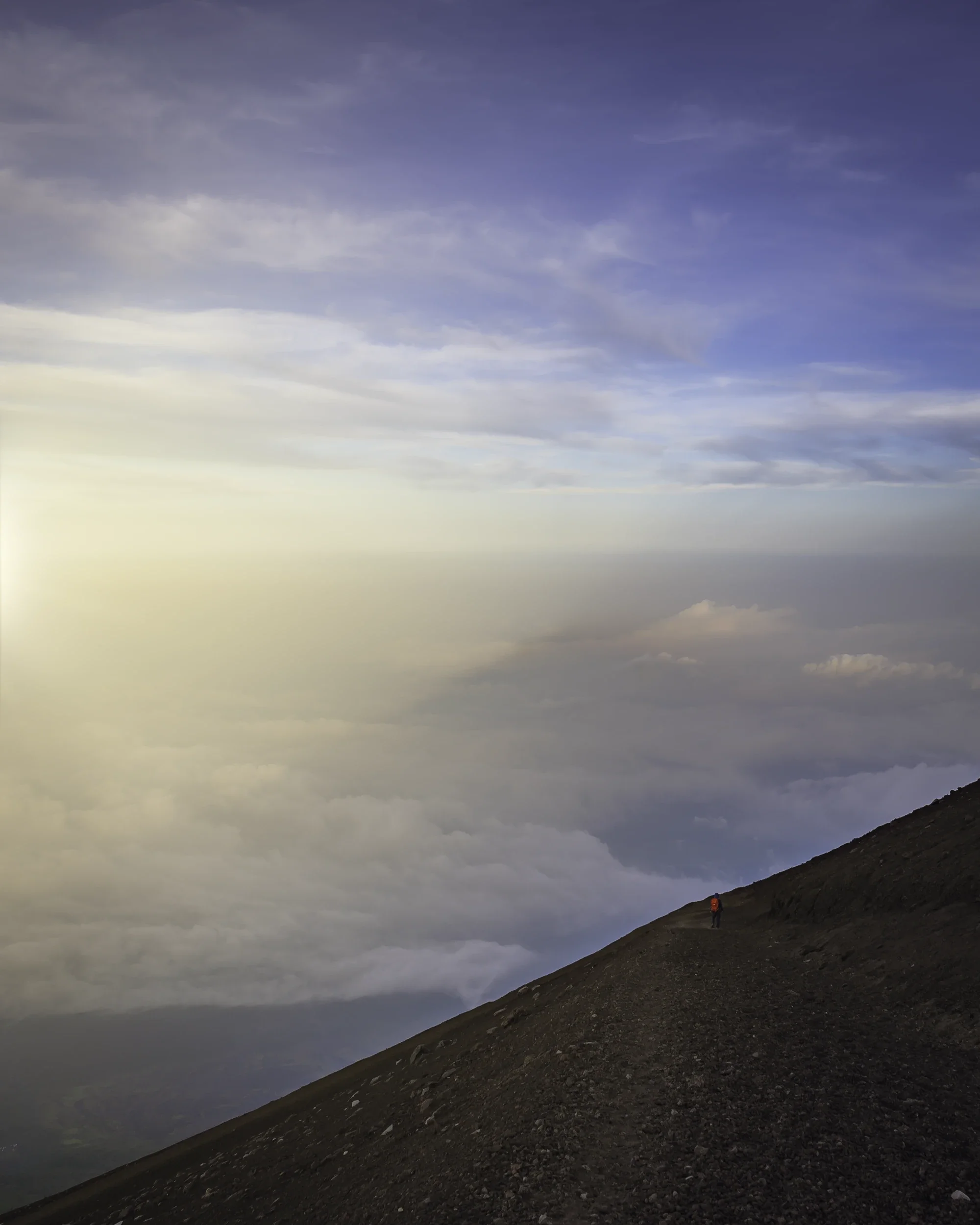
A key tradition is reaching the summit to witness the sunrise, known as Goraiko (御来光). This sacred moment is regarded as a symbol of spiritual rebirth and renewed energy. Many climbers begin their ascent at night to reach the summit in time for this awe-inspiring spectacle.
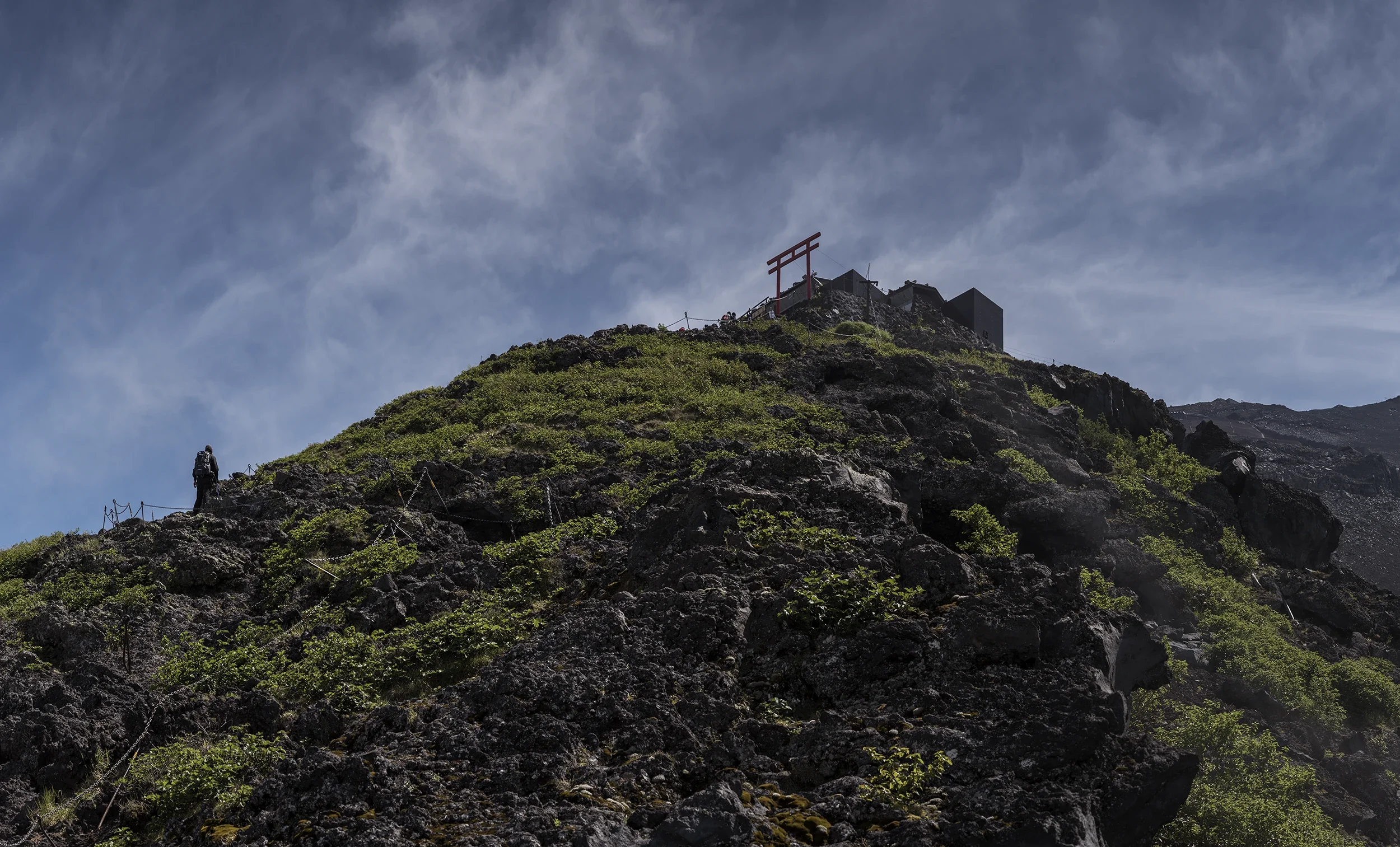
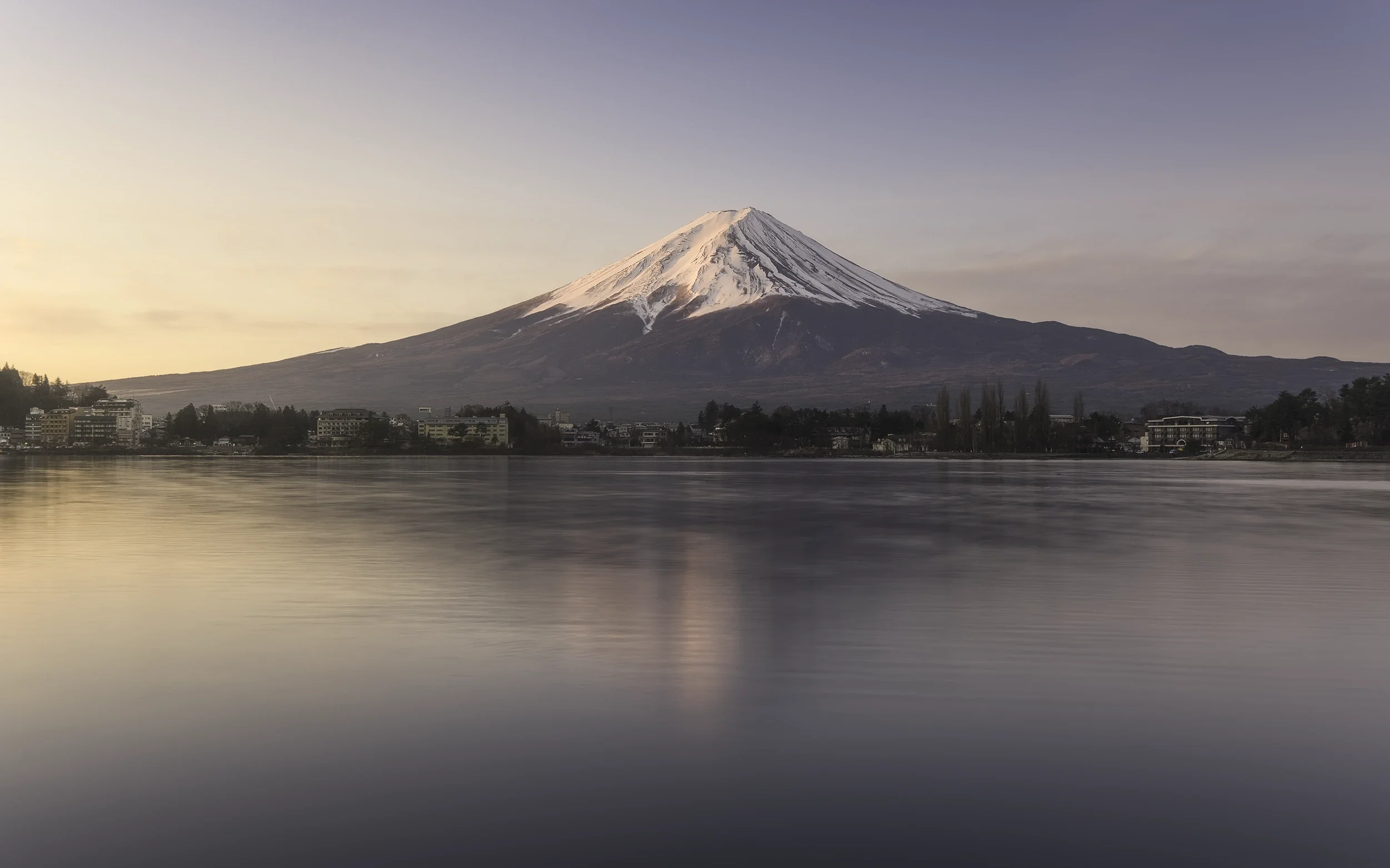
Tips for Climbing Mount Fuji
Climbing Mount Fuji is both a physical and mental challenge but is accessible to most people in good health.
1. Plan During the Official Climbing Season
The best time to climb Mount Fuji is during the official climbing season, typically from early July to early September. During this period, weather conditions are more favorable, mountain huts are open, and trails are well-maintained. Climbing outside this season is extremely risky due to freezing temperatures, snow, and an increased chance of accidents.
2. Choose Your Trail
There are four main trails to the summit:
• Yoshida Trail (the most popular and accessible)
• Subashiri Trail
• Gotemba Trail (the longest)
• Fujinomiya Trail (the shortest but steepest)
The Yoshida Trail is often recommended for beginners as it has numerous mountain huts and is well-marked.
3. Prevent Altitude Sickness
Rapid ascent can lead to altitude sickness. To prevent this, climb slowly, take regular breaks, and consider spending the night at a mountain hut before reaching the summit. Stay hydrated and avoid overexertion.
4. Dress Appropriately
Even in summer, Mount Fuji can be cold and windy, especially from the 7th station onward. Wear layered clothing, gloves, a hat, and a windproof jacket. Proper hiking boots are essential, and a headlamp is necessary for nighttime climbs.
5. Bring Supplies
While water and food are available at mountain huts, they are expensive due to the difficulty of supply transportation. Pack water, energy snacks, and lightweight food for the journey.
Conditions and Rules for Climbing Mount Fuji
To ensure safety and protect the environment, it’s important to follow certain guidelines:
• Environmental Contribution Fee
While climbing Mount Fuji is technically free, a voluntary fee of around 1,000 yen is encouraged. This money is used to maintain trails, mountain huts, and the fragile environment of Mount Fuji.
• Respect Nature
Mount Fuji is a sacred site and a natural heritage. Do not litter and stick to designated trails to minimize your environmental impact.
Access and Practical Information
From Tokyo, there are several convenient ways to reach Mount Fuji. From Shinjuku or Tokyo Station to the 5th Station of Mount Fuji (about 2 to 2.5 hours). By train, take a train to Fujisan Station (Fujikyuko Line) or Gotemba Station, then transfer to a bus to the 5th Station.
Round-trip bus fares from Tokyo to the 5th Station range from 2,500 to 3,000 yen per trip. Mountain huts charge an average of 6,000 to 8,000 yen per night, with optional meal plans available.
Conclusion
Climbing Mount Fuji is an unforgettable adventure that combines physical challenge, natural beauty, and immersion in Japan's spiritual culture. Whether you seek personal achievement, a spiritual pilgrimage, or breathtaking views of Japan, climbing Mount Fuji is an experience that will remain etched in your memory. With proper preparation and respect for local traditions, you can fully enjoy this legendary ascent.
Location: