
The Cocoon Tower: A Symbol of Modernity and Innovation in Tokyo
The Cocoon Tower, a distinctive skyscraper rising in the heart of Shinjuku, Tokyo, is one of the most recognizable buildings in Japan’s capital. Standing 204 meters tall with its unique cocoon-shaped design, the tower represents a fusion of modern architecture and urban functionality. Primarily housing educational institutions, this architectural marvel is a testament to innovation in design.
History and Construction of the Cocoon Tower
Officially named the Mode Gakuen Cocoon Tower, it was completed in 2008. The name comes from its primary tenant, Mode Gakuen, a school specializing in fashion, design, and information technology. In addition to Mode Gakuen, the tower is home to HAL Tokyo, a school for creative technologies, and Shuto Ikō, a medical college.
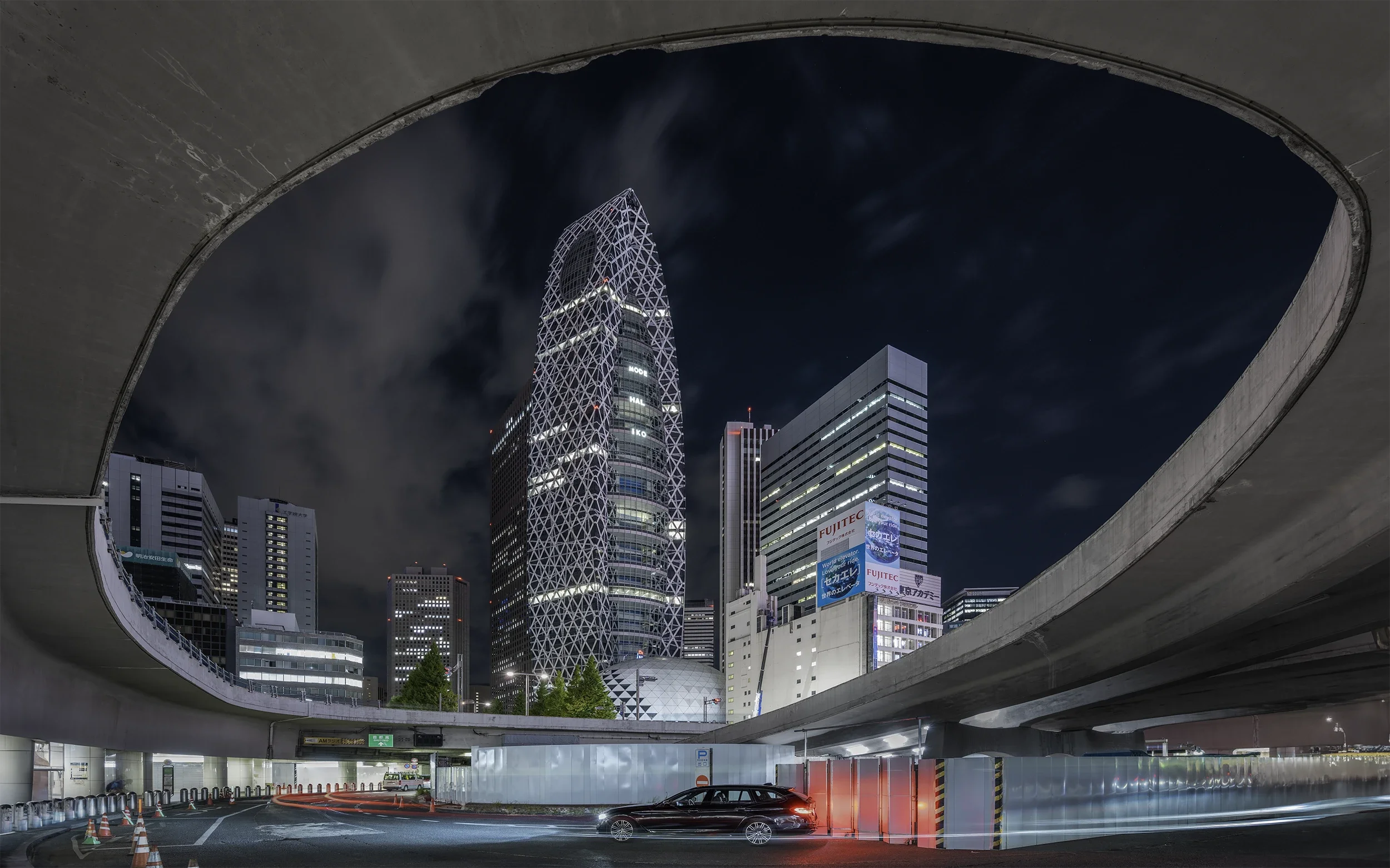
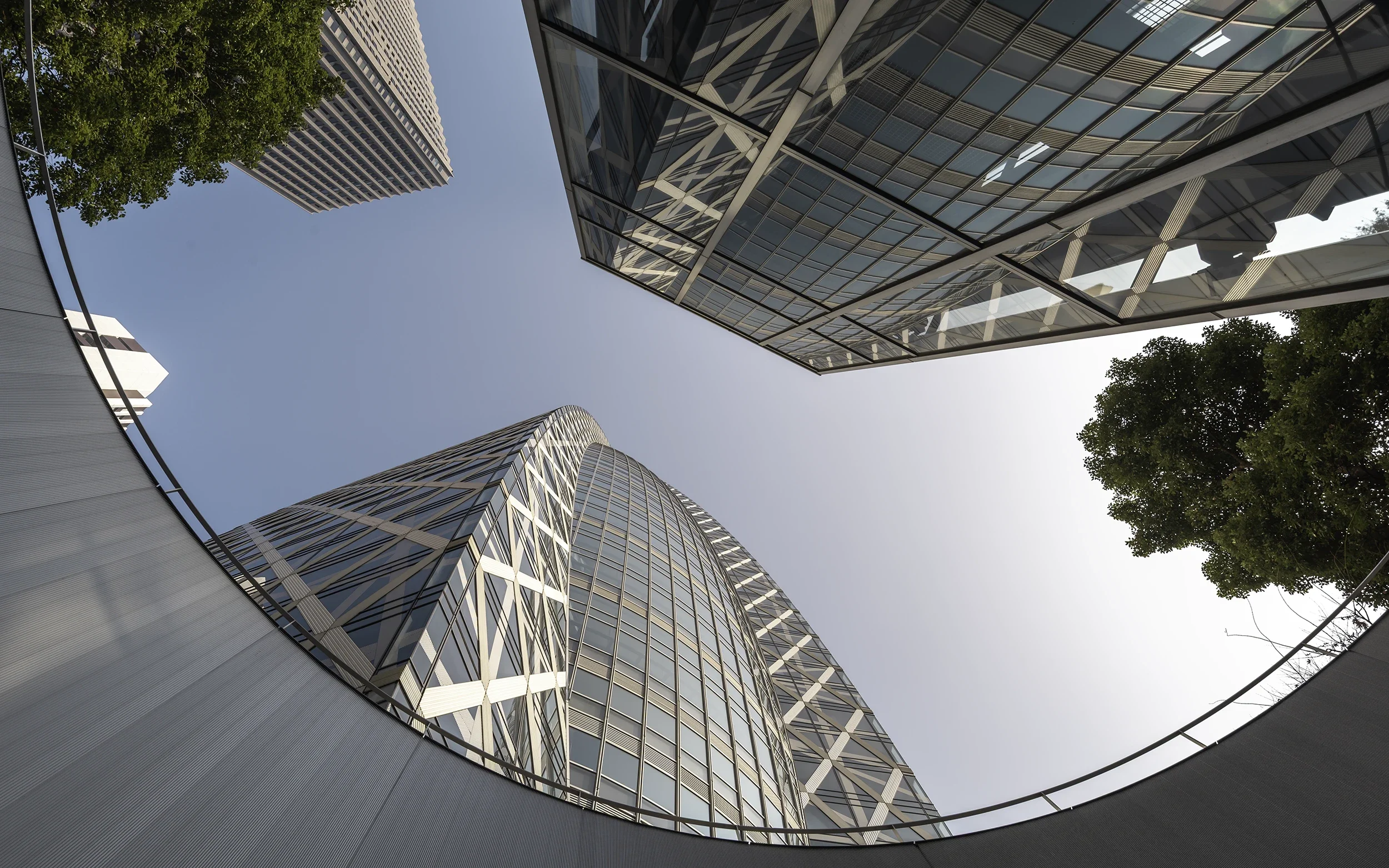
The architectural concept for the Cocoon Tower was envisioned by Tange Associates, a renowned Japanese architectural firm founded by Kenzo Tange, who played a pivotal role in reshaping Japan’s urban landscape after World War II. The cocoon shape symbolizes "nurturing," representing a space where students can grow and thrive. Unlike traditional rectangular or square skyscrapers, the Cocoon Tower stands out with its curved and twisted silhouette, enveloped in white bands resembling interwoven threads, akin to a cocoon.
This revolutionary design earned the Cocoon Tower numerous prestigious architectural awards, including the 2008 Skyscraper of the Year, and it is recognized as one of the world’s most innovative skyscrapers. Beyond its striking exterior, the tower’s interior is equally remarkable, featuring open floors and integrated living and learning spaces that encourage interaction between students and staff.
Educational Centerpiece and Urban Impact
The Cocoon Tower is, above all, a hub for education. Its 50 floors accommodate over 10,000 students across the three specialized schools. Unlike traditional educational facilities, the tower combines classrooms with relaxation spaces, libraries, and social zones. The absence of dividing walls on certain floors promotes interdisciplinary collaboration and sparks creativity among students.
The Cocoon Tower also significantly impacts Shinjuku’s urban landscape. Situated in one of Tokyo’s most vibrant and densely populated districts, it stands out not only for its height but also for its role as a landmark. Its distinctive form draws the attention of passersby and secures its place in Shinjuku’s skyline, alongside iconic buildings like the Tokyo Metropolitan Government Building and the Park Hyatt Tokyo.
Access to the Cocoon Tower
The Cocoon Tower is ideally located in Shinjuku, one of Tokyo’s largest transportation hubs.
• By Train: The tower is a short walk from Shinjuku Station, which serves multiple train lines, including the JR Yamanote Line, Chuo Line, Sobu Line, as well as the Keio Line and Odakyu Line. As one of the busiest train stations in the world, Shinjuku Station provides convenient access for visitors and students.
• By Metro: The Toei Oedo Line and Tokyo Metro Marunouchi Line also offer quick connections to other parts of Tokyo. Tochomae Station on the Oedo Line is close to the tower.
• By Bus: Numerous bus lines operate in Shinjuku, linking the tower to other Tokyo neighborhoods and airports. The Shinjuku Expressway Bus Terminal, near Shinjuku Station, is a major hub for long-distance buses to other regions of Japan.
Activities Around the Cocoon Tower
While the Cocoon Tower is primarily dedicated to education, its strategic location makes it an excellent starting point for exploring the Shinjuku district, which offers a wide range of activities.
Shopping and Dining
Shinjuku is one of Tokyo’s liveliest districts, blending modern skyscrapers with shopping centers, restaurants, and cultural sites. Just minutes from the Cocoon Tower, you’ll find iconic shopping malls such as Lumine, Isetan, and Odakyu, offering a wide variety of fashion, electronics, and dining options.
For a more traditional experience, a visit to Omoide Yokocho is a must. This quaint alley is lined with small restaurants serving yakitori and other Japanese specialties, offering a glimpse of old Tokyo amidst the ultra-modern cityscape.
Nature and Relaxation
One of Tokyo’s most beautiful parks, Shinjuku Gyoen National Garden, is just a 10-minute walk from the Cocoon Tower. Once an imperial garden, this park combines Japanese, French, and English landscaping styles, creating a serene escape from the city’s hustle. The park is particularly popular during spring for cherry blossom viewing (sakura) and in autumn for its vibrant foliage.
Skyline Views
For a breathtaking view of Tokyo, visit the Tokyo Metropolitan Government Building near the Cocoon Tower. This skyscraper features free observation decks on its 45th floor, offering panoramic views of Tokyo’s skyline and, on clear days, a glimpse of Mount Fuji.
Nightlife and Entertainment
A short walk from the Cocoon Tower, Kabukicho is famous for its bustling nightlife. Known as the "entertainment district," Kabukicho is packed with bars, restaurants, clubs, and theaters. It’s also home to the renowned Robot Restaurant, where a high-energy dinner show features giant robots and performers in futuristic costumes, providing a uniquely Japanese experience.
Cultural Experiences
Shinjuku also offers unique cultural attractions, such as the Samurai Museum, a small but fascinating museum dedicated to samurai history and culture. Visitors can view traditional armor and swords and even try on samurai outfits for photographs.
Conclusion
With its innovative design and avant-garde architecture, the Cocoon Tower is far more than just a skyscraper. It symbolizes Tokyo’s modernity and innovation while serving as an educational hub for Japan’s future creators and professionals. Located in the heart of Shinjuku, one of Tokyo’s most dynamic districts, the tower and its surroundings offer countless activities and attractions for visitors, whether they are architecture enthusiasts, history buffs, fashion lovers, or cultural explorers. Visiting the Cocoon Tower is a journey into the future, revealing the many faces of Tokyo.
Location: