
Japanese calligraphy, or shodō (書道), is much more than just an artistic practice. It embodies a philosophy, a mode of expression, and a tradition deeply rooted in Japan’s history. This art, which involves writing with a brush and ink on paper, is both a rigorous discipline and a means of cultivating inner harmony.
The History of Japanese Calligraphy
Japanese calligraphy traces its origins to ancient China, where writing was developed over 3,000 years ago. Chinese writing was introduced to Japan in the 5th century, mainly through Buddhist monks. These monks brought not only Chinese characters (kanji) but also the tools and techniques of calligraphy.
During the Asuka era (552-710) and the Nara era (710-794), the Japanese adopted Chinese models, drawing inspiration from the styles of famous calligraphers such as Wang Xizhi. However, with the emergence of writing systems unique to Japan, such as kana (hiragana and katakana), Japanese calligraphy developed a distinctive aesthetic.
Under the influence of Zen Buddhism, shodō became a spiritual path. The calligrapher’s brushstrokes reflected their state of mind: fluid and harmonious writing signified a peaceful soul. This philosophical aspect remains today, making shodō much more than just a visual art.
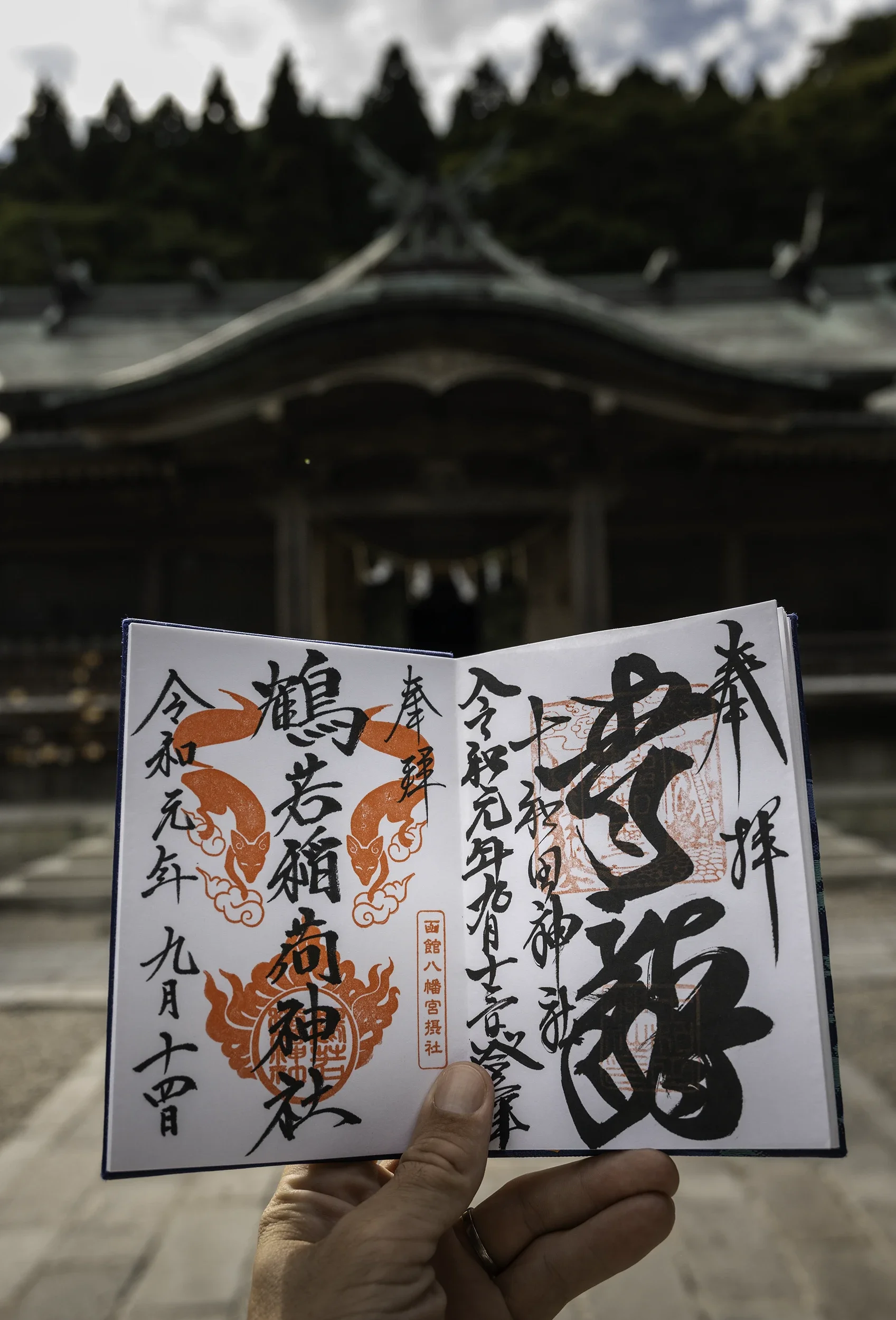
The Characteristics of Japanese Calligraphy
The practice of calligraphy relies on four essential tools, known as the "Four Treasures of Study."
• The brush (筆, fude), available in various sizes, is made from animal hair such as sheep or horse.
• The ink (墨, sumi) is prepared from solid ink sticks rubbed on an inkstone with water.
• The inkstone (硏, suzuri) is essential for mixing the ink to the ideal consistency.
• The paper (和紙, washi), often handmade, provides the perfect texture to absorb the ink.
Japanese calligraphy features several styles, each suited to different functions or contexts:
• Kaisho (楷書): A block-style script, clear and easy to read, ideal for beginners.
• Gyōsho (行書): A semi-cursive style, more fluid than kaisho.
• Sōsho (草書): A cursive and free-flowing style, used for expressive writing.
These styles represent not only a technical progression but also a philosophy, where the simplicity of kaisho gradually gives way to the personal expression of sōsho.
In shodō, every stroke is intentional. The balance of lines, spacing between characters, and even the empty space on the paper are just as important as the writing itself. This principle is called ma (間), meaning "space" or "pause," a key concept in Japanese aesthetics.
The Role of Calligraphy in Japanese Society
In Japan, calligraphy is taught in elementary schools, where children learn to carefully form characters. This practice instills discipline and patience. Many adults continue practicing shodō as a hobby or to refine their skills.
Calligraphy plays a significant role in traditional rituals and events. For example, during New Year’s celebrations, it is common to see calligraphic works expressing wishes for the coming year. Additionally, many temples and shrines use calligraphic inscriptions on their votive plaques and amulets.
Shodō is considered an intellectual and prestigious artistic discipline. Calligraphic works are often displayed in homes, museums, and galleries, reflecting the host's or collector’s appreciation of Japanese culture.
Participating in a Calligraphy Class
For enthusiasts and visitors, it is entirely possible to join a calligraphy class in Japan. Many calligraphy workshops are held in major cities such as Tokyo, Kyoto, and Osaka. You can find classes at cultural centers, Japanese language schools, or even temples.
A typical class includes an introduction to the history of shodō, a demonstration of basic techniques by the calligraphy master (sensei, 先生), and guided practice, where you learn to handle the brush and write your first characters.
Classes vary in length, ranging from one-hour sessions to longer workshops. Prices generally start at around 3,000 to 5,000 yen for a unique experience.
Useful Japanese Phrases
Here are some helpful expressions if you participate in a calligraphy class:
• 「これはどう書きますか?」(Kore wa dō kakimasu ka?): "How do you write this?"
• 「もう一度お願いします。」(Mō ichido onegaishimasu.): "One more time, please."
• 「これは良いですか?」(Kore wa ii desu ka?): "Is this good?"
• 「ありがとうございました。」(Arigatō gozaimashita.): "Thank you very much."
Conclusion
Japanese calligraphy, or shodō, is a fascinating art that combines technique, aesthetics, and spirituality. Its history, rooted in Chinese traditions, has evolved into a uniquely Japanese cultural pillar. Today, it remains a respected discipline, accessible to both Japanese people and visitors eager to discover this enriching practice.
Participating in a calligraphy class is an immersive experience that provides deeper insight into Japanese culture and introduces you to an ancient art form. Whether you are a beginner or simply curious, shodō invites you to slow down, focus, and appreciate the beauty in every ink stroke on paper.