
Jodogahama Beach: A Natural Gem on Japan's Sanriku Coast
Located in Miyako City, on the northeastern coast of Honshu's main island, Jodogahama Beach is one of Japan's most iconic beaches. Its name, which literally means "Pure Land Beach," perfectly captures the serene beauty of this place, with its striking rock formations, crystal-clear waters, and pristine natural environment. The beach is part of the Sanriku Fukko National Park, a coastal area renowned for its wild landscapes and dramatic cliffs.
A Landscape Shaped by Nature
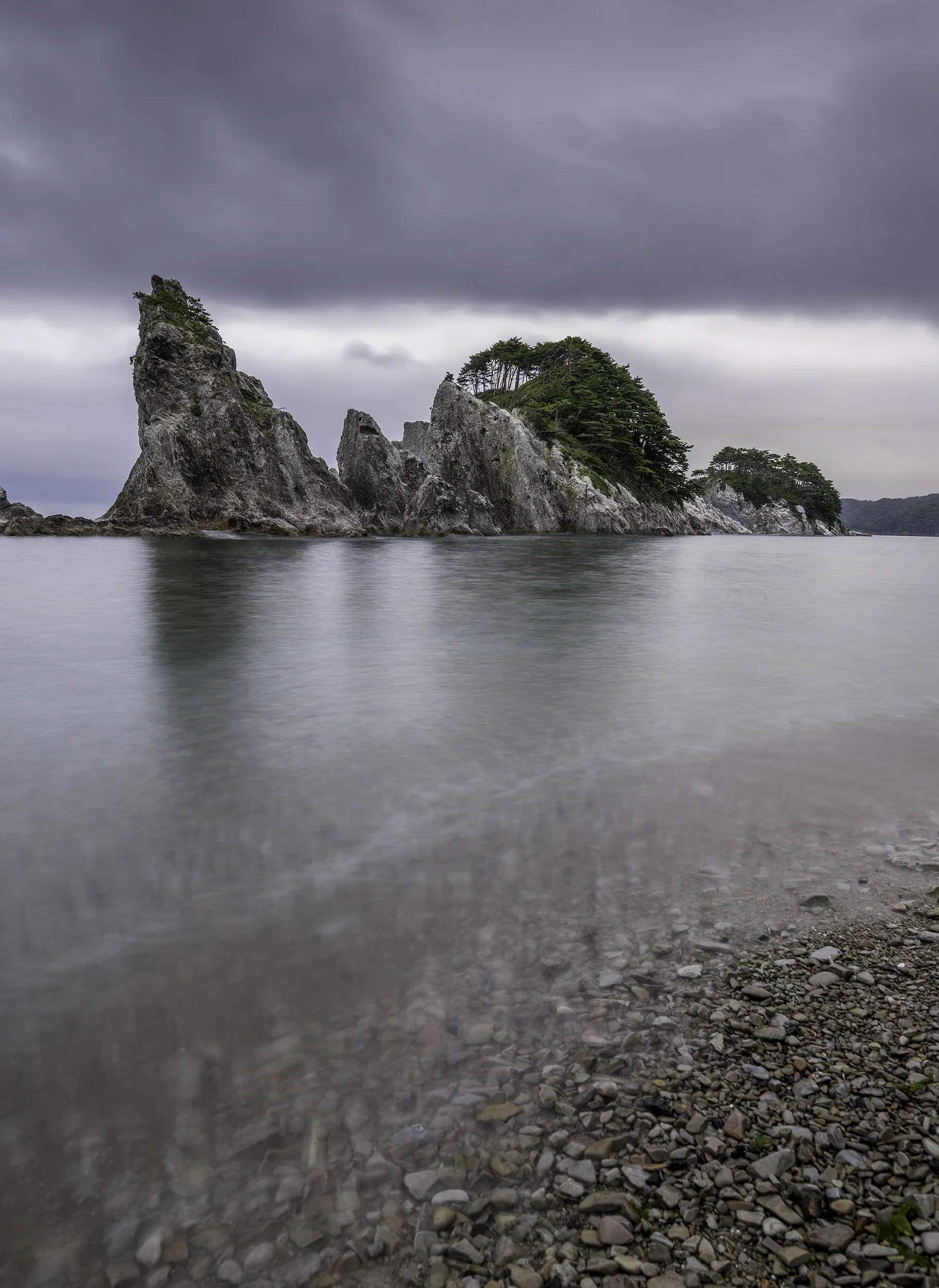
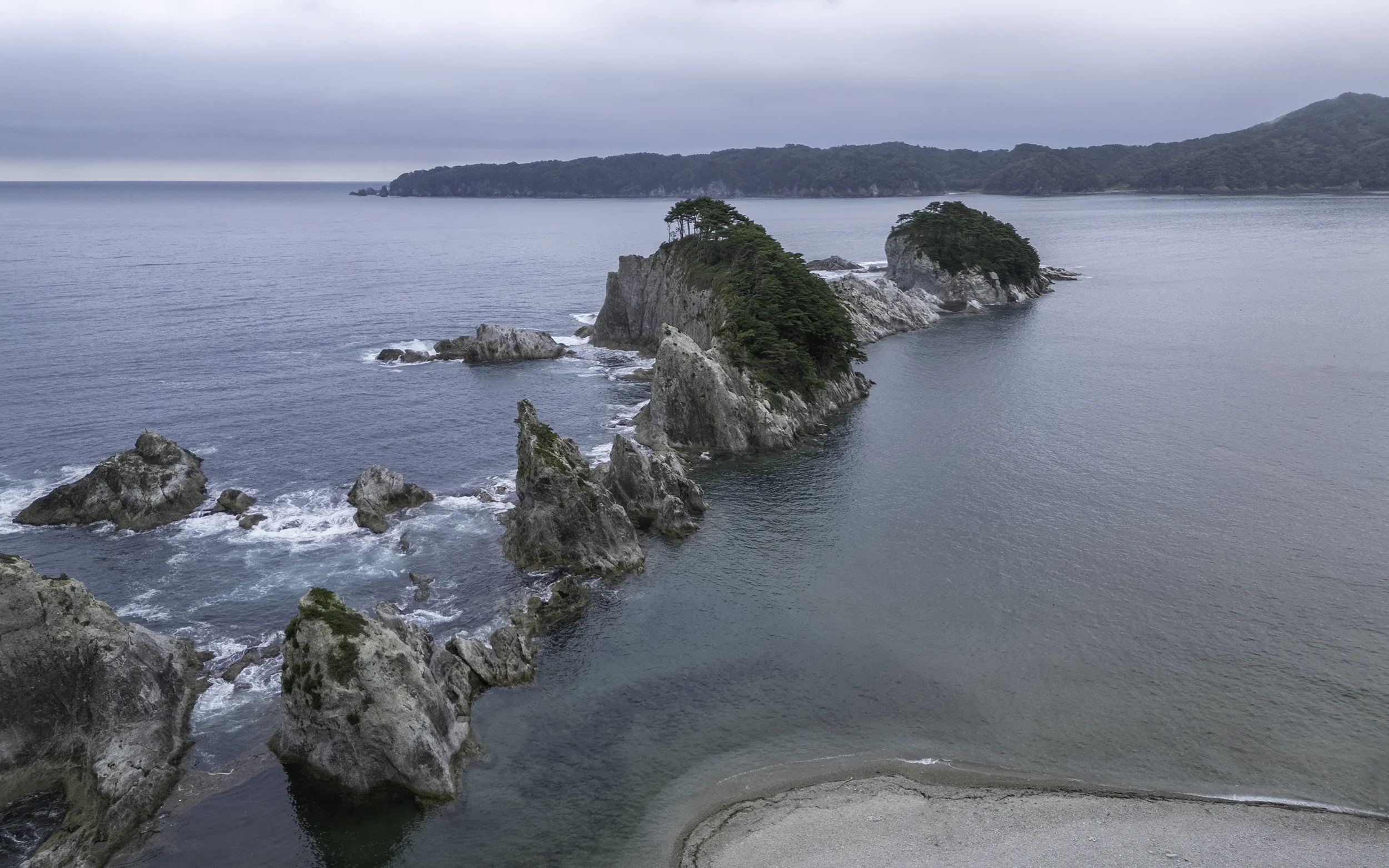
One of the most striking features of Jodogahama Beach is the presence of angular, white rock formations emerging from the sea, contrasting beautifully with the turquoise waters. These rocks are composed of rhyolite, a type of volcanic lava that solidified and was sculpted over millennia by wave action. The result is a unique landscape reminiscent of postcards, with slender stone columns and rocky islets surrounded by calm, translucent waters.
This contrast between the purity of the rocks and the deep blue of the ocean has made Jodogahama a symbol of natural beauty in Japan. The beach is often compared to an idealized representation of "Jodo," the Buddhist paradise, from which it derives its name.
History and Cultural Significance
Jodogahama Beach owes its name to Reikyo, a Buddhist monk who visited the area in the 17th century. Struck by the tranquil beauty of the beach, he likened it to the Pure Land or "Jodo," a Buddhist concept describing a spiritual paradise. Since then, the name has remained, and the beach has been perceived as a spiritually soothing place.
Sanriku Fukko National Park, where Jodogahama is located, holds significant historical and cultural importance for the Tohoku region. The area was heavily affected by the 2011 tsunami but has since recovered and rebuilt. Jodogahama has become a symbol of resilience and the enduring beauty of nature, even in the face of disasters.
Activities and Exploration at Jodogahama
Jodogahama Beach is not just a place for contemplation; it is also a popular destination for a variety of outdoor activities.
• Swimming: The calm, shallow waters of the bay make it an ideal spot for swimming. Unlike other beaches exposed to the powerful waves of the Pacific Ocean, Jodogahama offers a relaxing swimming experience, particularly popular with families.
• Glass-bottom boat tours: These tours are one of the most popular activities, allowing visitors to explore the region's rich marine life, including colorful fish and fascinating underwater formations. Traditional fishing boats called sappa are also available, offering trips to sea caves and along the spectacular cliffs of the Sanriku coast.
• Kayaking: For a more active adventure, visitors can rent kayaks to explore the calm waters around the beach. This allows for a closer look at the rock formations and marine caves inaccessible from the land.
• Hiking: Jodogahama is the starting point for several hiking trails that offer panoramic views of the bay and its rock formations. The Jodogahama Visitor Center provides information about the various trails, some of which lead to observation points atop cliffs overlooking the Pacific Ocean.
Flora and Fauna
The area around Jodogahama Beach is known for its biodiversity, both on land and underwater. The coastline is home to numerous seabird species, such as silver gulls and cormorants, which nest on the rocks and soar above the bay. The waters surrounding the beach are teeming with marine life, including reef fish, crustaceans, and starfish.
The forests bordering the beach are made up of Japanese pine and cedar trees, offering shaded areas for hikers and picnickers. In summer, wildflowers add splashes of color to the already picturesque landscape.
Sanriku Fukko National Park: A Preserved Natural Setting
Jodogahama Beach is part of the vast Sanriku Fukko National Park, a protected region that stretches along Japan's northeastern coast. This park was established after the 2011 earthquake and tsunami to promote coastal conservation and sustainable tourism in the region.
The park offers a unique blend of coastal landscapes, lush forests, and traditional fishing villages. Visitors can explore small islands, sea caves, and steep cliffs that characterize this area. The park also highlights local history and the culture of coastal communities that have recovered from natural disasters.
Best Time to Visit Jodogahama Beach
• Summer (June to August): This is the most popular time to visit, with warm weather perfect for water activities.
• Spring (March to May): The region blooms with flowers, including the famous cherry blossoms, adding a magical touch. It is also one of the busiest seasons for visitors.
• Autumn (September to November): The surrounding forests display vibrant fall foliage, making it a fantastic time for hikers and offering breathtaking landscapes.
• Winter (December to February): Although cold, winter provides a serene and peaceful ambiance, with the possibility of seeing the beach covered in snow, creating a striking contrast with the white rock formations.
Practical Tips for Visitors
The beach is accessible from Miyako Station on the JR Yamada Line. From there, a bus or taxi will take you to the beach in about 15 minutes. If traveling from Tokyo, take a Shinkansen to Morioka Station, then transfer to Miyako.
Several hotels and ryokan (traditional Japanese inns) in Miyako offer views of the coast and meals featuring local seafood. Don’t miss the chance to try local specialties, including fresh oysters, sashimi, and Sanriku Wakame, a delicious and nutritious seaweed.
Conclusion
Jodogahama Beach is more than just a beach; it is a gateway to some of Japan’s most spectacular natural landscapes. Whether you seek relaxation, adventure, or quiet contemplation, this unique destination offers a range of activities and an immersive experience in the wild beauty of Japan. Visiting Jodogahama means stepping into a paradise-like setting while discovering a region rich in history, culture, and nature.
Location: