
The Hokusai Museum in Tokyo: A Tribute to the Master of Japanese Ukiyo-e Prints
The Hokusai Museum, located in the Sumida district of Tokyo, is dedicated to one of Japan’s most celebrated artists: Katsushika Hokusai. Renowned for his woodblock prints, paintings, and drawings, Hokusai left a profound impact not only on Japanese art but also on Western art, particularly through the ukiyo-e movement, a distinctive style of prints that thrived during the Edo period.
Who Was Katsushika Hokusai?
Katsushika Hokusai was born in 1760 in the Katsushika area of Edo (modern-day Tokyo) under the name Tokitaro. He gained fame for his ukiyo-e prints, often depicting landscapes, scenes of everyday life, and historical or mythological subjects. The term ukiyo-e, which translates to "pictures of the floating world," refers to a popular art genre during the Edo period, and Hokusai is arguably its most recognized master.
Hokusai's most famous series is Thirty-Six Views of Mount Fuji, created in the 1830s, which includes the iconic print The Great Wave off Kanagawa. This masterpiece, portraying a colossal wave threatening to engulf small fishing boats, has become a universal symbol of Japanese art. Over his lifetime, Hokusai created more than 30,000 works, influencing Western art movements such as Impressionism and Art Nouveau.
Interestingly, Hokusai changed his name over 30 times during his career, adopting various pseudonyms as his artistic style evolved. Known for his relentless pursuit of perfection, he famously claimed near the end of his life that he would truly understand painting only at the age of 100. He passed away in 1849 at the age of 89, leaving behind an immense artistic legacy.
The History of the Hokusai Museum
The Hokusai Museum was inaugurated in November 2016 in Sumida, Hokusai's birthplace. The museum was established not only to celebrate Hokusai’s work but also to highlight the cultural significance of the neighborhood where this legendary artist lived and thrived.
The idea of creating a museum dedicated to Hokusai dates back to the 1980s when several major works by the artist were rediscovered. The project gained momentum thanks to initiatives by the city of Sumida and the support of local residents who recognized the unique cultural heritage of their area. Today, the museum stands as a cornerstone of the cultural revitalization of this traditional Tokyo district.
The museum houses an extensive collection of Hokusai's original works, along with temporary exhibits that explore various aspects of his life and influence. Visitors can discover woodblock prints, paintings, sketches, illustrated books, and personal items related to the artist, providing a comprehensive view of his rich oeuvre and stylistic evolution over the years.
The Architecture of the Hokusai Museum
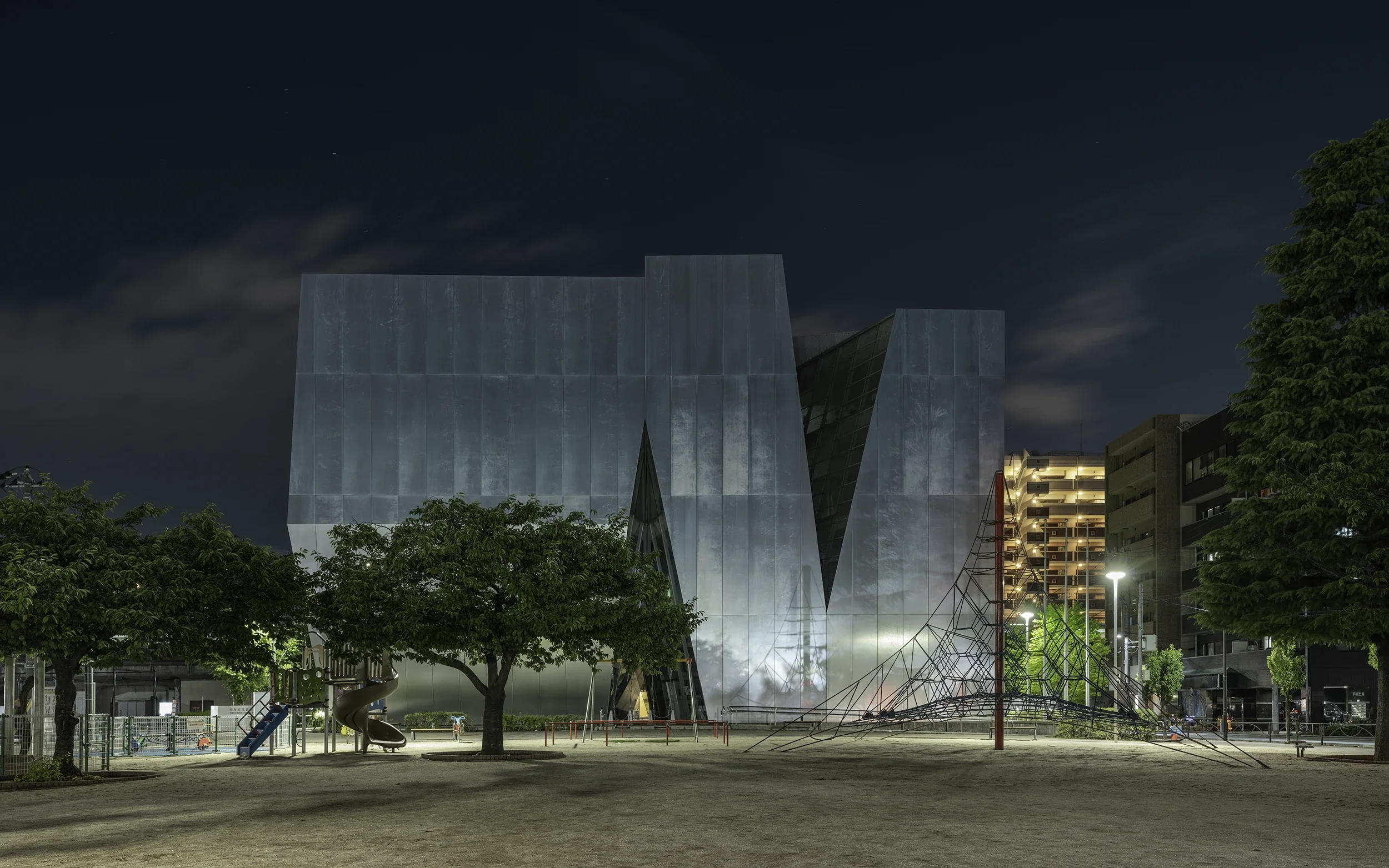
The Hokusai Museum, designed by architect Kazuyo Sejima, is a modern architectural marvel distinguished by its sleek and futuristic design. Kazuyo Sejima, a 2010 Pritzker Prize laureate (the Nobel Prize of architecture), is known for her minimalist works and ability to seamlessly integrate structures into their surroundings while playing with light and materials.
The museum's angular facade, composed of aluminum panels, subtly reflects sunlight throughout the day. Its open and airy design contrasts with the dense urban environment of Sumida, creating a tranquil space where visitors can immerse themselves in Hokusai's world.
Inside, the museum is divided into several sections: main galleries for permanent and temporary exhibitions, a space dedicated to Hokusai's daily life, and a research center for deeper exploration of his work. The bright and modern entrance hall welcomes visitors, while a gift shop offers reproductions of prints, books, and Hokusai-related souvenirs.
The museum's architecture also integrates the cityscape into the visitor experience. From certain vantage points within the building, you can view the Tokyo Skytree, a nod to Hokusai's influence on Tokyo’s iconic landscapes.
Access and Admission to the Hokusai Museum
The Hokusai Museum is located in Sumida, conveniently close to central Tokyo.
The nearest station is Ryogoku, accessible via the JR Sobu Line and the Toei Oedo Line. From the station, it’s about a 10-minute walk to the museum. Local buses also connect the museum with major Tokyo train stations.
If you're visiting the nearby Tokyo Skytree, you can reach the museum with a 20-minute walk.
The museum is generally open from 9:30 AM to 5:30 PM but is closed on Mondays.
Admission for the permanent collection is approximately 400–500 yen for adults, while children under 15 years old often enjoy free entry. Temporary exhibitions may have different pricing depending on their scale and popularity.
Activities and Exhibitions
In addition to its permanent collection, the museum offers diverse temporary exhibitions. These delve into specific aspects of Hokusai’s work or showcase the creations of other artists influenced by him, both in Japan and abroad.
Interactive workshops for children and adults are also available, where visitors can learn traditional woodblock printing techniques and create their own artworks.
Conclusion
The Hokusai Museum is a must-visit destination for art and culture enthusiasts exploring Tokyo. By celebrating the work of one of Japan's greatest artists, the museum offers an enlightening journey into the world of ukiyo-e and the enduring legacy of Katsushika Hokusai.
With its modern architecture, historical setting in Sumida, and exceptional collection, the Hokusai Museum honors the life and work of this legendary artist while providing a rich cultural experience for visitors.
Location: