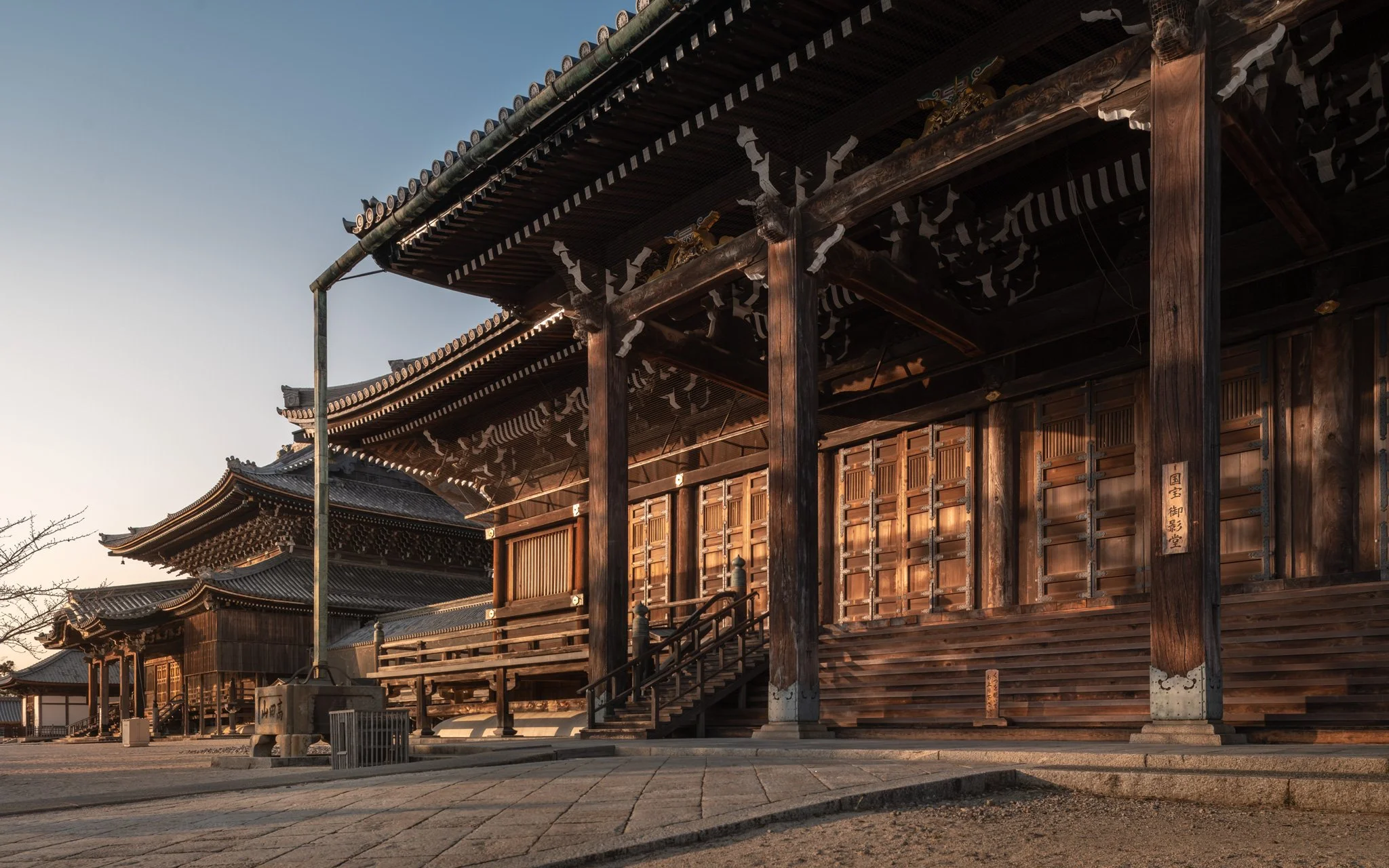
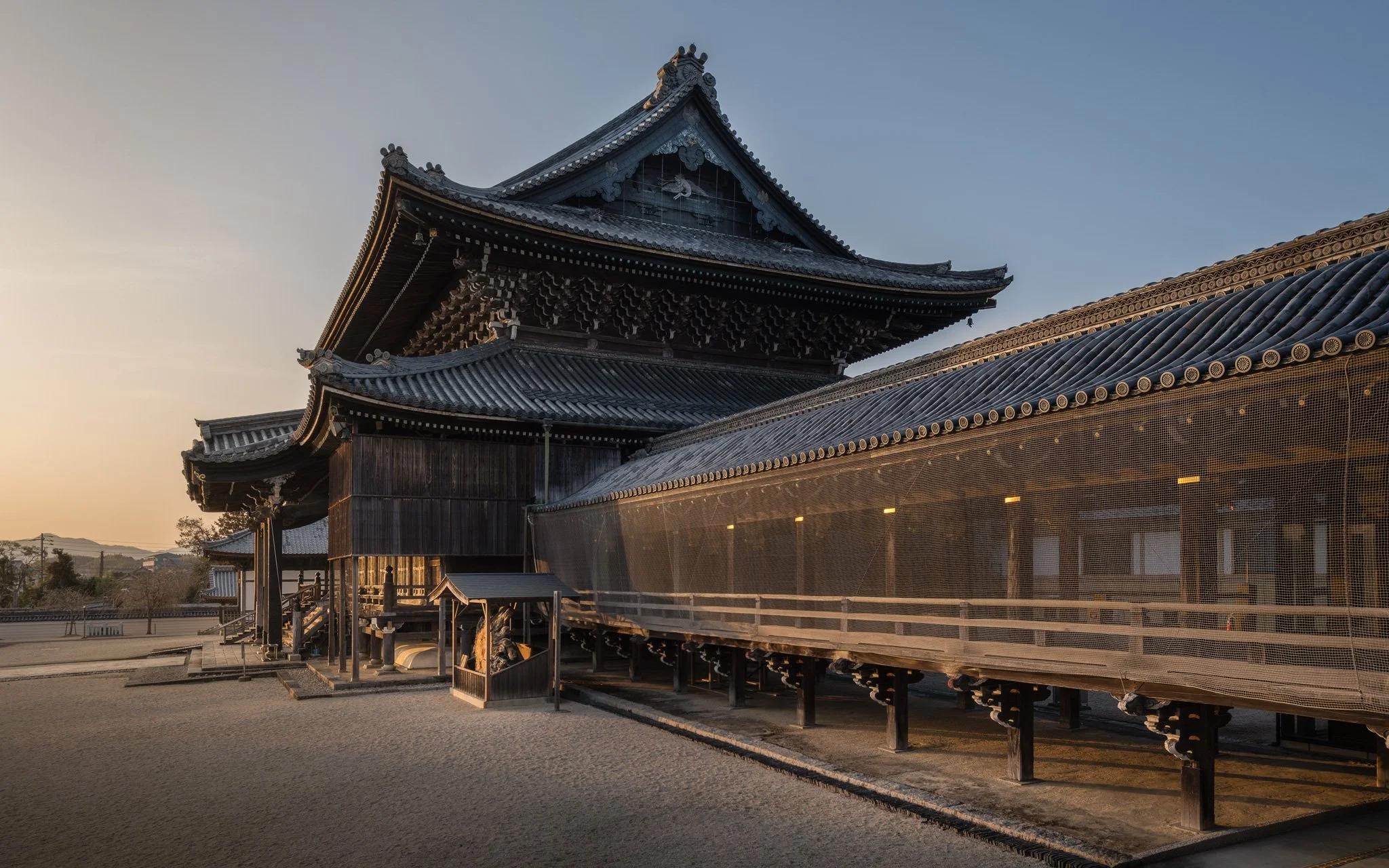
Senjuji Temple - A symbol of Japanese Culture
Hidden in the peaceful city of Tsu, in Mie Prefecture, Senju-ji Temple is one of Japan's most impressive yet surprisingly overlooked Buddhist temples. While many travelers flock to Kyoto's famous temples or Nara's historic landmarks, Senju-ji remains a tranquil destination where visitors can experience authentic Japanese spirituality without the crowds.
Officially known as Takada Honzan Senju-ji, the temple has served as the spiritual heart of the Takada branch of Jodo Shinshu Buddhism for centuries. Beyond its religious significance, it is an architectural masterpiece featuring enormous wooden halls, elegant gardens, and several buildings designated as National Treasures.
If you are looking to discover a lesser-known side of Japan's cultural heritage, Senju-ji deserves a place on your itinerary.
A Temple with More Than 800 Years of History
Senju-ji was founded in 1226 by Shinran Shonin (1173–1263), one of the most influential Buddhist monks in Japanese history and the founder of Jodo Shinshu (True Pure Land Buddhism), today Japan's largest Buddhist denomination.
The temple became the headquarters of the Takada branch of Jodo Shinshu and quickly grew into one of the country's most important religious institutions.
The name "Senju" originates from the expression Senju Nembutsu, meaning the continuous recitation or mindfulness of Amida Buddha's name. This practice lies at the very heart of Pure Land Buddhism and reflects the temple's spiritual purpose.
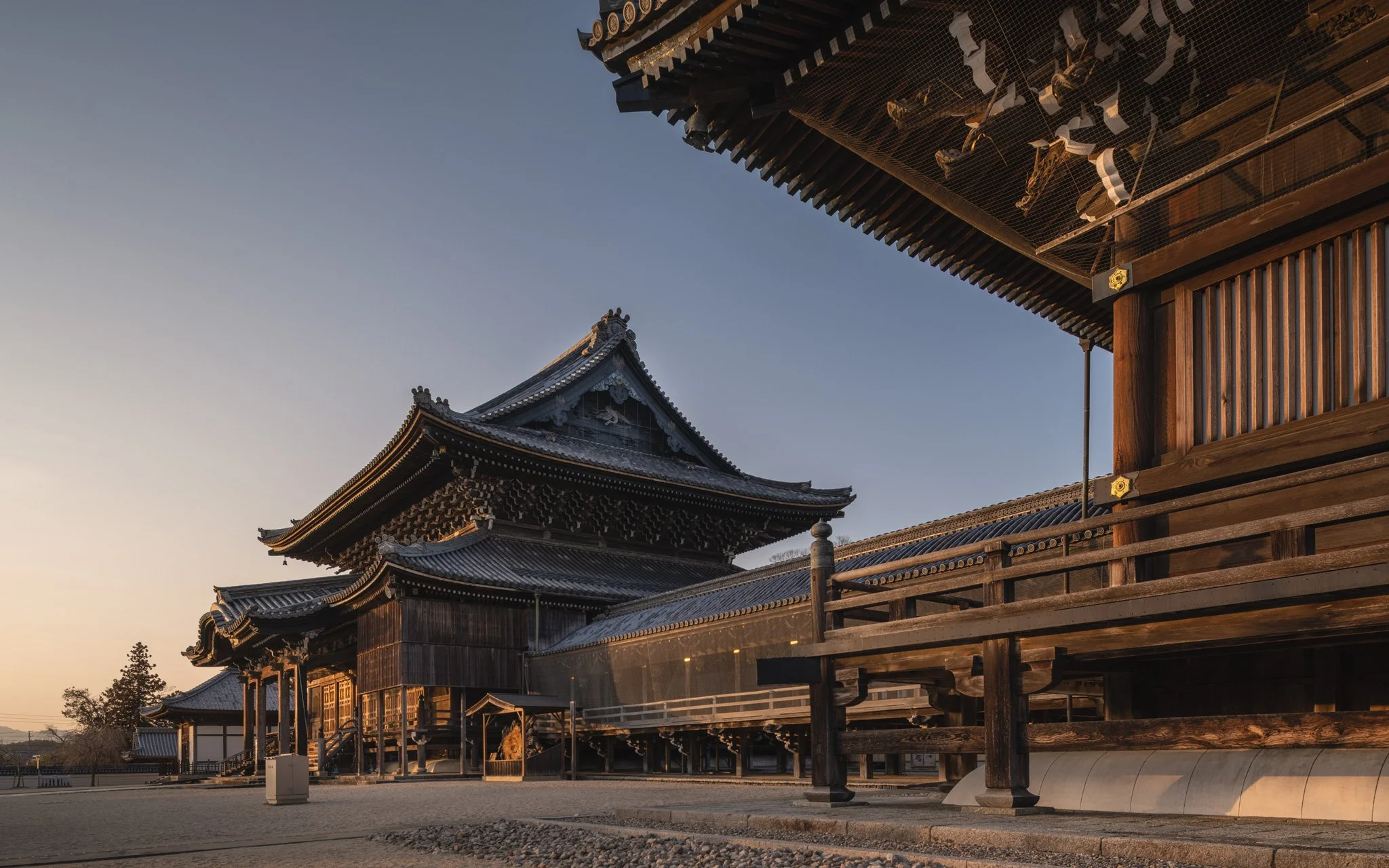
Throughout its long history, Senju-ji has survived wars, political upheavals, and natural disasters. The remarkable wooden buildings that stand today are the result of centuries of careful preservation and reconstruction, making the temple one of Japan's finest examples of traditional Buddhist architecture.
An Extraordinary Temple Complex
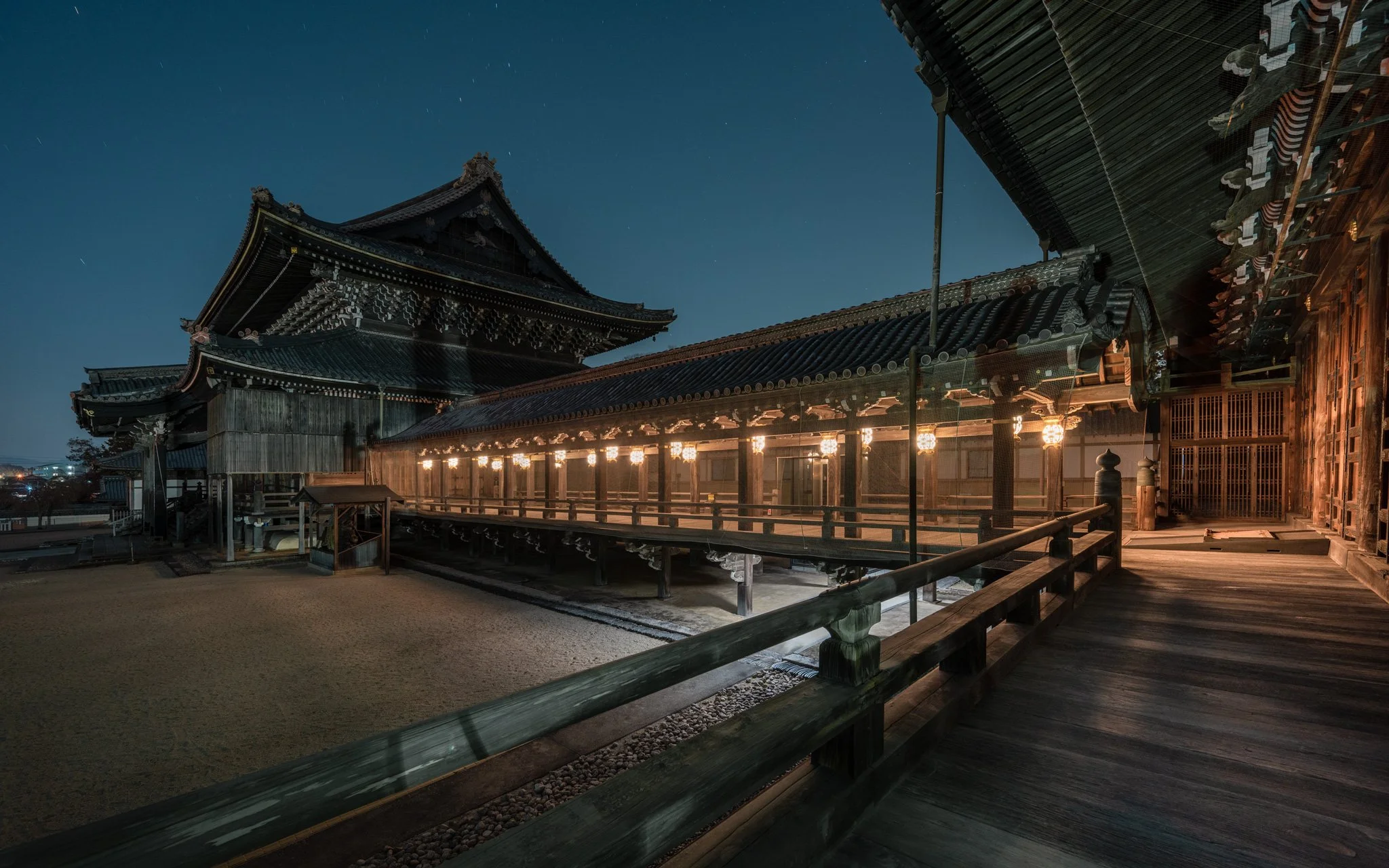
Walking through Senju-ji feels more like entering a fortified palace than a temple. Massive earthen walls surround the grounds, while elegant gates and imposing halls reveal the wealth and prestige the temple once enjoyed.
Unlike many famous temples where visitors quickly move from one building to another, Senju-ji invites slow exploration. Every corner offers intricate craftsmanship, quiet gardens, and impressive perspectives on traditional Japanese architecture.
The Magnificent Lotus Garden
During early summer, usually from late June through July, Senju-ji becomes even more spectacular as hundreds of lotus flowers bloom across the temple grounds.
More than 100 pots display over 35 different varieties of lotus in delicate shades of white, pale pink, and deep rose.
In Buddhism, the lotus symbolizes purity, enlightenment, and spiritual awakening. Watching these elegant flowers bloom against centuries-old wooden buildings creates one of the temple's most photogenic scenes.
Morning is the best time to visit, as lotus flowers gradually open with the rising sun before closing later in the day.
The Impressive Sanmon Gate
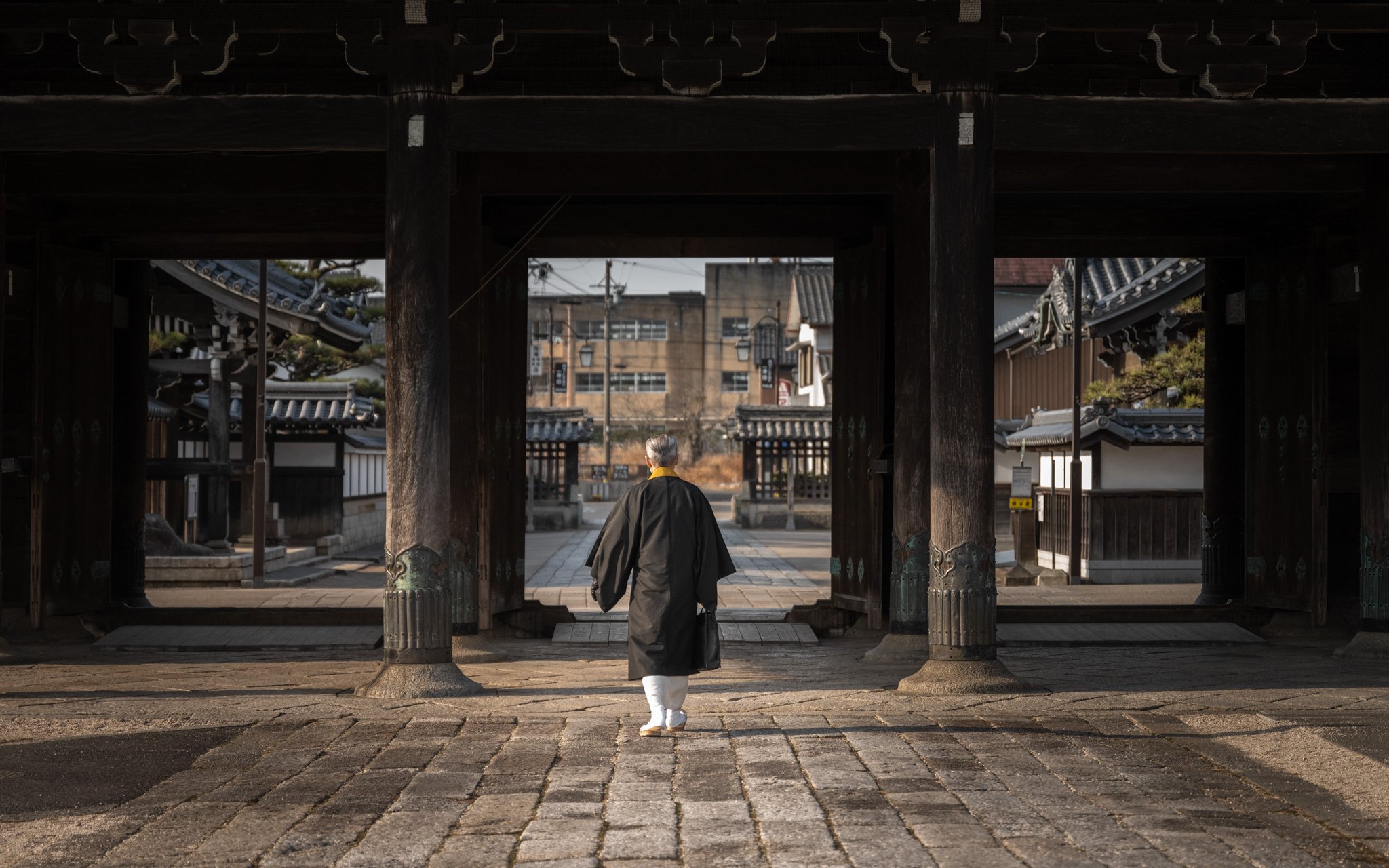
Your visit begins at the temple's monumental Sanmon Gate, completed in 1704.
Its massive wooden structure immediately conveys the importance of Senju-ji. Passing beneath its towering roof marks the symbolic transition from the everyday world into a sacred space dedicated to contemplation and devotion.
Beyond the gate stretches an expansive temple precinct covering more than 10,000 square meters, where the scale of the complex becomes truly apparent.
Mieido – One of Japan's Largest Wooden Temple Halls
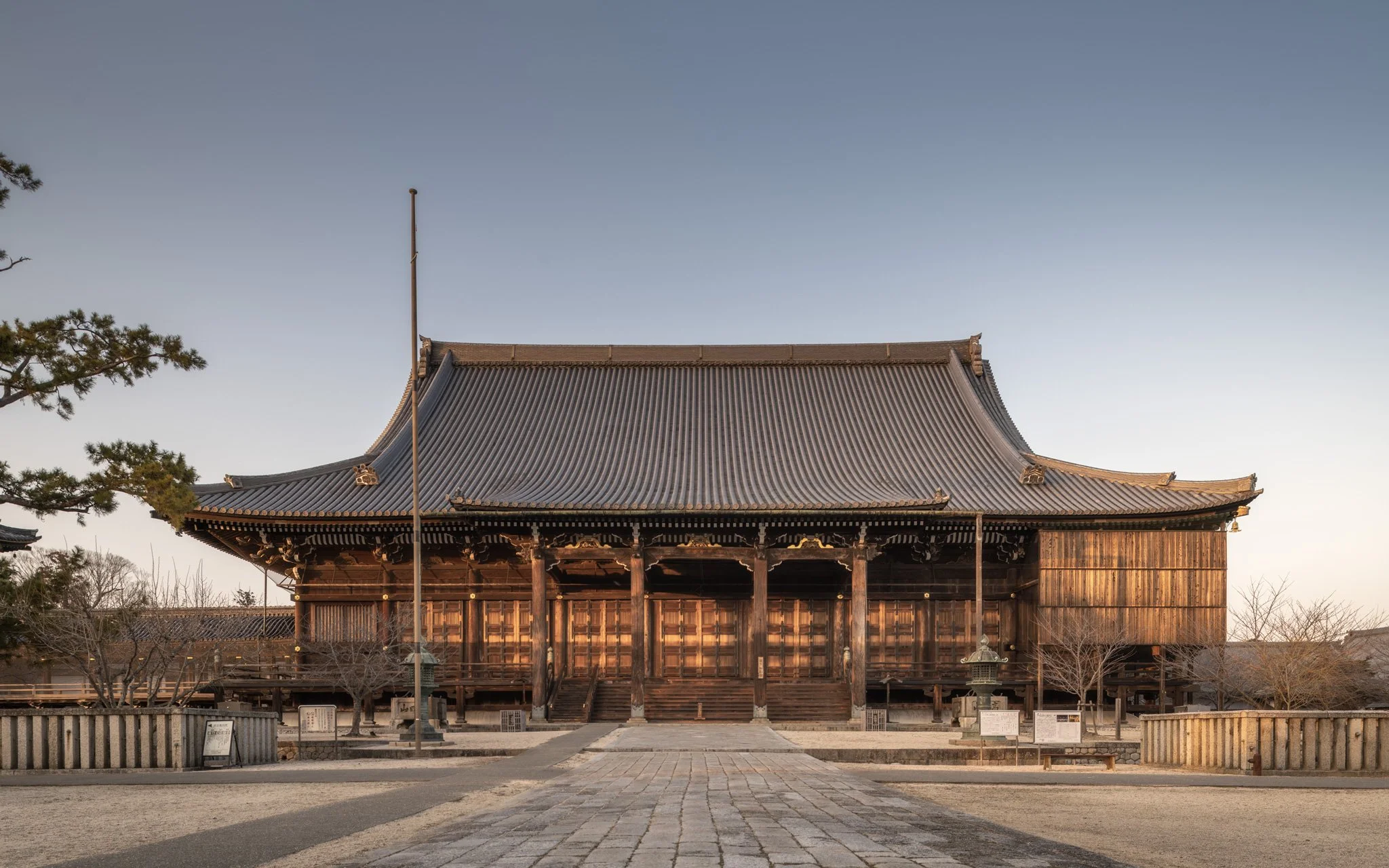
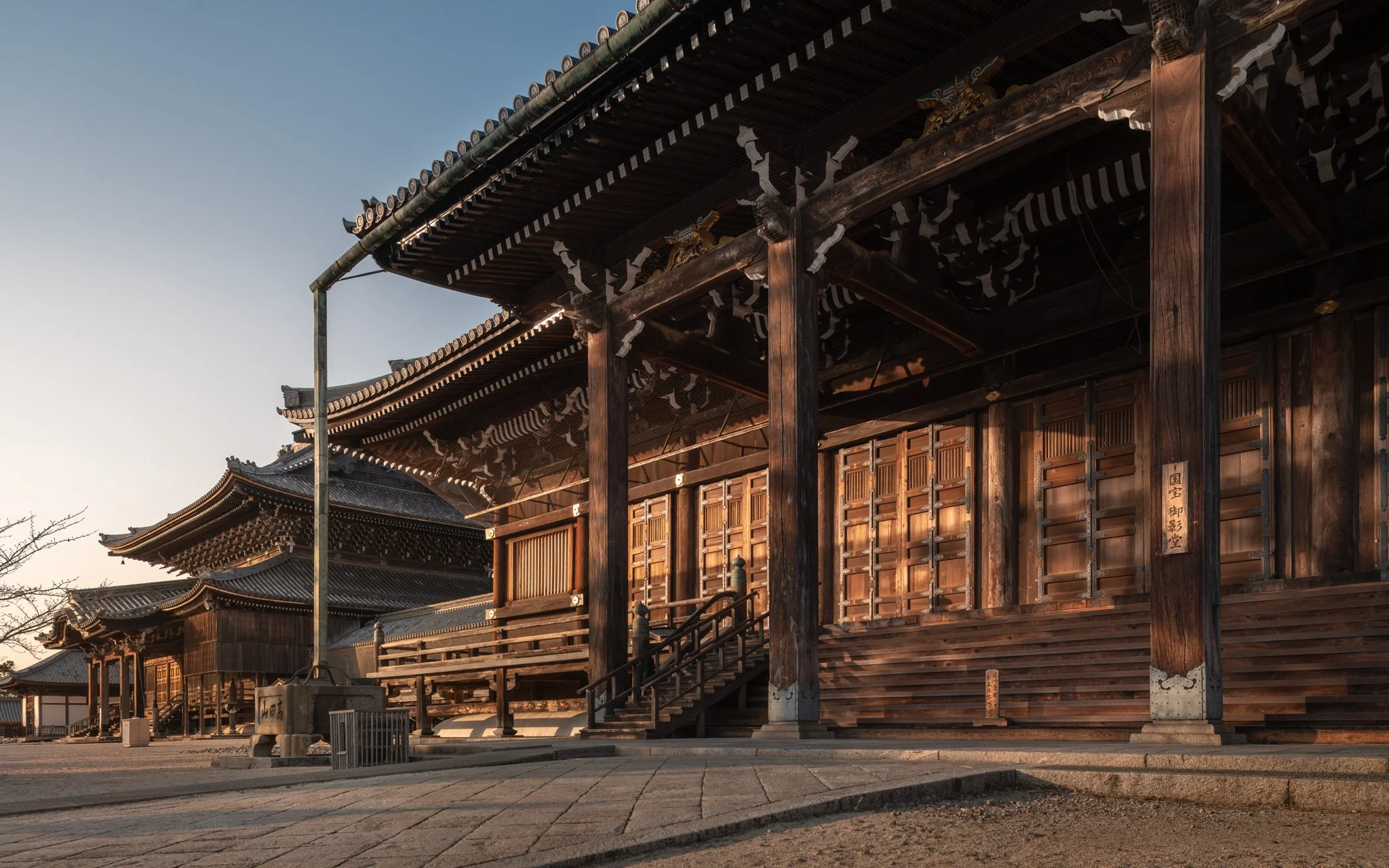
The highlight of any visit is undoubtedly the Mieido Hall, completed in 1666.
This enormous wooden building is among the largest temple halls in Japan and showcases the extraordinary craftsmanship of Edo-period carpenters.
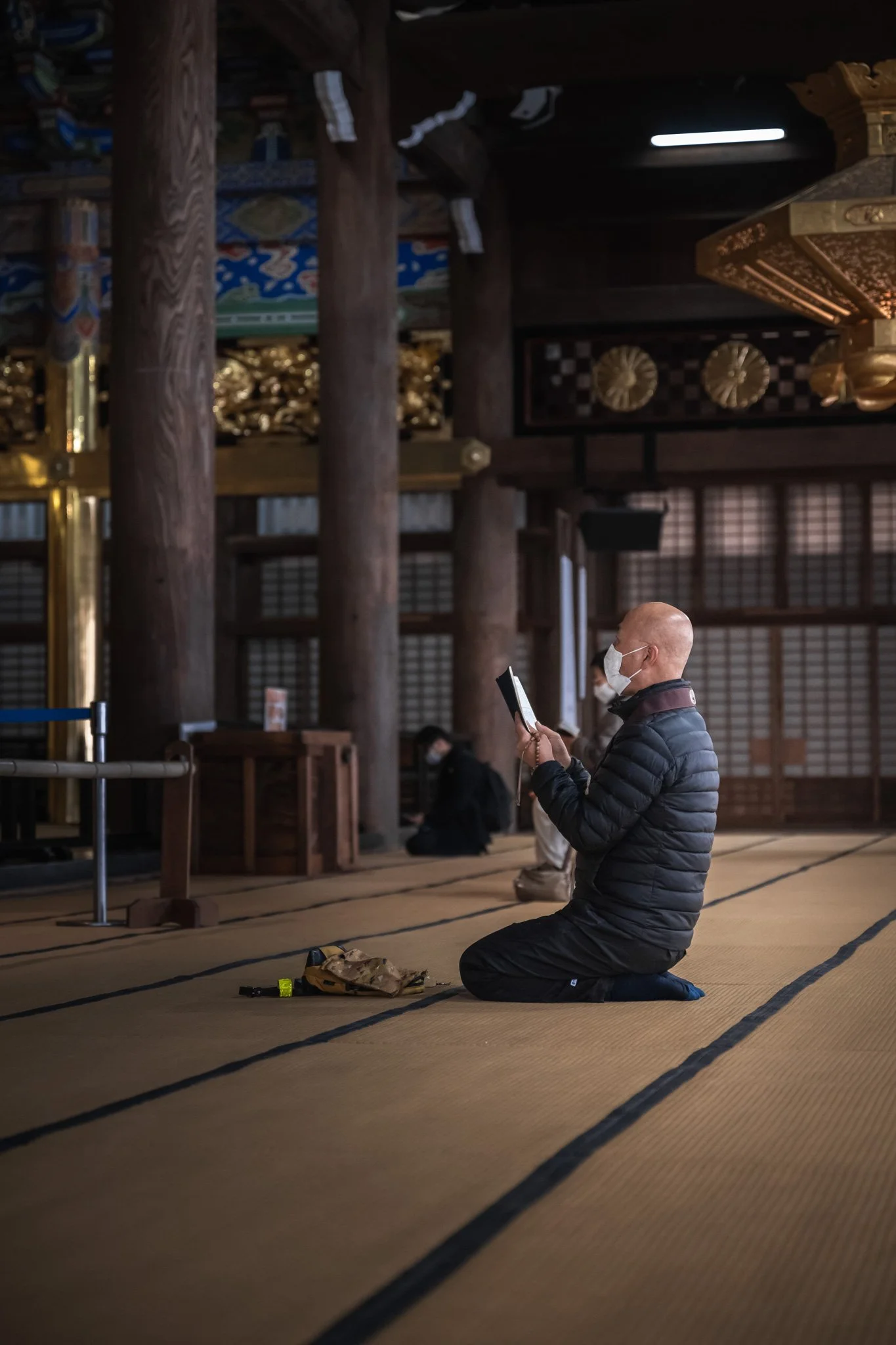
Stepping inside, visitors are immediately struck by gigantic wooden pillars supporting a complex network of interlocking beams, assembled without modern nails using traditional Japanese joinery techniques.
The aged timber, dark ceiling, and subtle white finishes create a peaceful atmosphere filled with warmth and history.
As you approach the inner sanctuary, the atmosphere becomes increasingly magnificent.
The richly decorated ceiling displays vibrant shades of blue and green, while delicate gold leaf ornaments catch the soft natural light filtering through the hall. Behind the crimson altar stands a dazzling golden pavilion elevated upon a lacquered black base, creating an unforgettable focal point that perfectly balances elegance and spiritual symbolism.
Nyoraido Hall
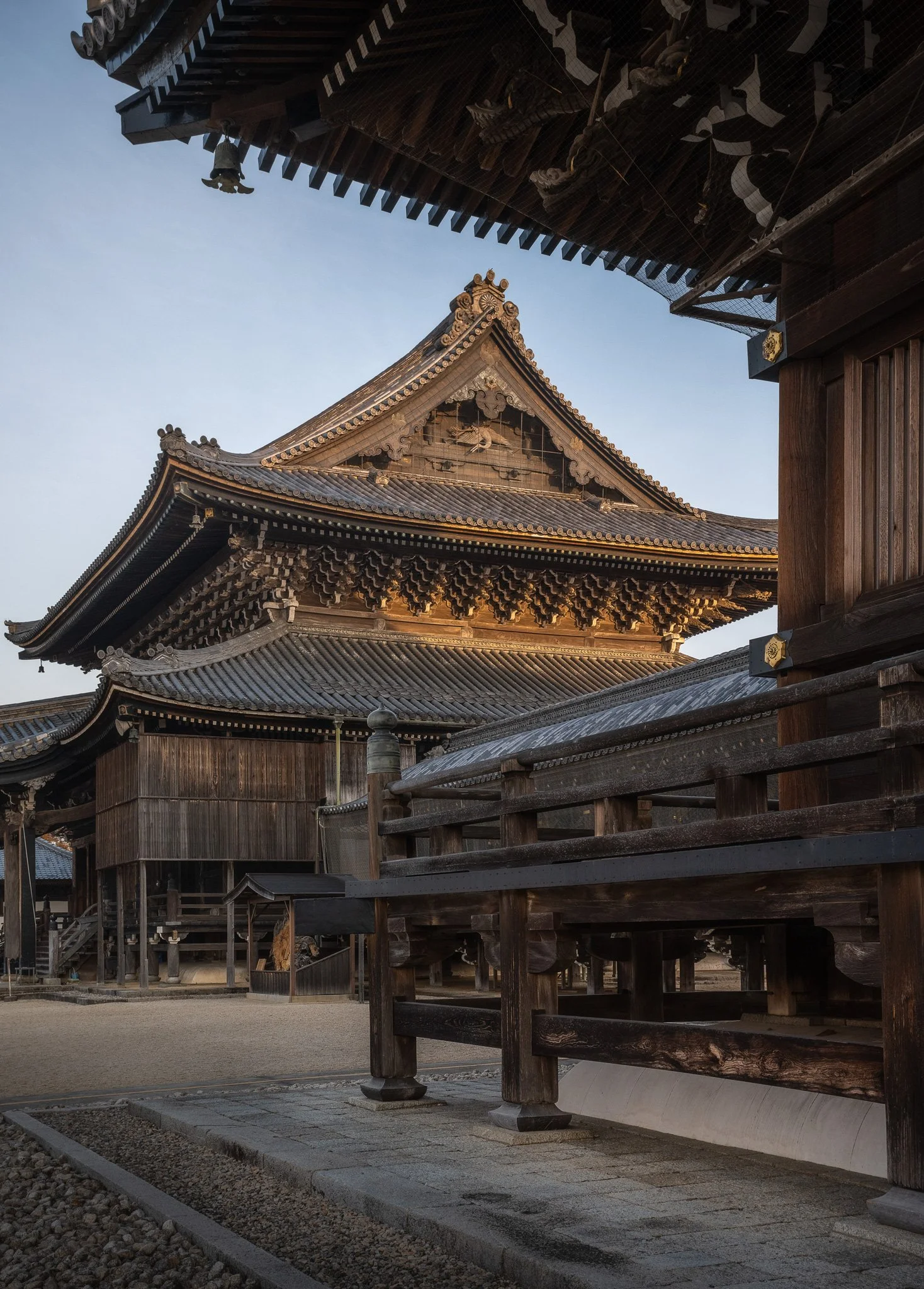
Facing the Mieido is the equally impressive Nyoraido Hall, completed in 1748.
Although slightly smaller than the Mieido, it remains one of the largest wooden temple halls in Japan and is also designated as a National Treasure.
Dedicated to Amida Buddha, this hall demonstrates the architectural harmony that defines the entire temple complex. Together, the Mieido and Nyoraido form one of the finest examples of large-scale Buddhist architecture from the Edo period.
Unyu-en Garden
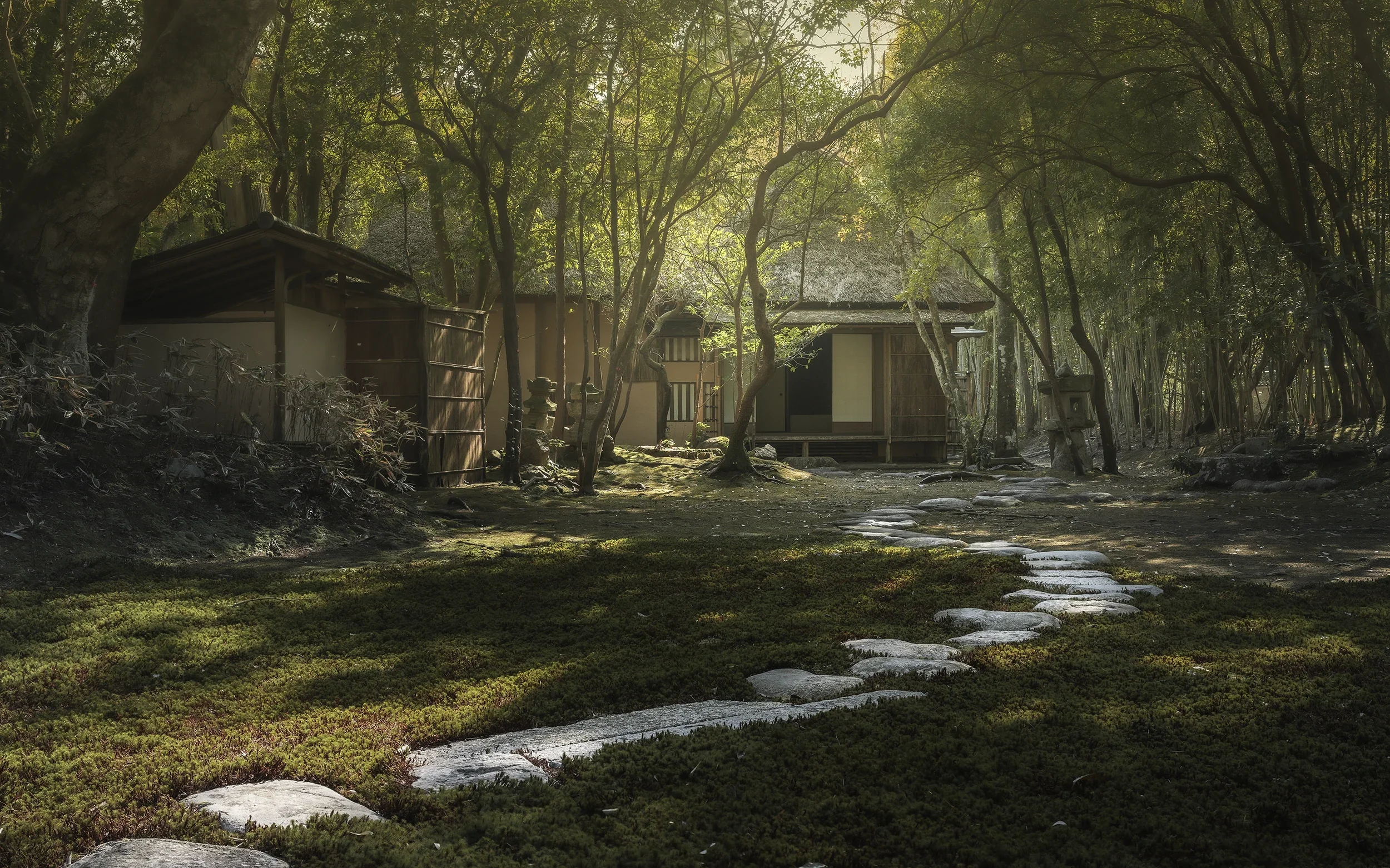
Away from the monumental halls lies one of Senju-ji's hidden treasures: Unyu-en Garden.
Stone pathways wind gently through carpets of soft moss, carefully pruned trees, and seasonal vegetation that changes beautifully throughout the year.
The peaceful atmosphere makes it an ideal place to pause and appreciate the quiet side of Japanese temple gardens.
Within the garden stands Anraku-an, a traditional tea house associated with the temple's cultural heritage. Nearby is the Houmotsukan Treasure House, where valuable religious objects and historical artifacts are preserved.
As access to the treasures is limited, visitors interested in viewing the collection should contact the temple in advance.
National Treasures and Cultural Heritage
Senju-ji is not only spiritually significant but also one of Japan's most important cultural sites.
The Mieido and Nyoraido have both been designated National Treasures, while several additional buildings—including gates, corridors, and auxiliary structures—are recognized as Important Cultural Properties.
Together, these buildings form one of the country's largest surviving wooden temple complexes, illustrating centuries of Japanese religious architecture and craftsmanship.
Visitor Information
Senju-ji is located in the city of Tsu, approximately one hour south of Nagoya by train.
Unlike many of Japan's more famous temples, it remains relatively uncrowded, allowing visitors to fully appreciate its immense wooden halls, peaceful gardens, and contemplative atmosphere.
Photography is generally permitted throughout the grounds, although restrictions may apply inside certain buildings.
The temple is especially beautiful during:
Late June to July for the lotus blossoms
Spring for fresh greenery
Autumn for colorful maple leaves
Winter for peaceful, snow-covered scenery
Final Thoughts
Senju-ji is one of Japan's hidden architectural masterpieces.
Its monumental wooden halls, elegant gardens, rich religious history, and remarkable cultural treasures combine to create an experience that rivals many of Japan's more famous temples.
For travelers seeking authentic cultural experiences beyond the traditional tourist routes, Senju-ji offers a rare opportunity to discover a place where history, architecture, and spirituality have coexisted for more than eight centuries.
Quiet, majestic, and profoundly beautiful, it is undoubtedly one of Mie Prefecture's greatest cultural treasures.