
The 5 Must-See Spots in Kyoto: History, Highlights, and Access
Kyoto, the former imperial capital of Japan, is a city that seamlessly blends modernity with rich history. Its unique atmosphere, filled with ancient temples, serene Zen gardens, and traditional districts, attracts millions of visitors every year. With over 1,600 Buddhist temples, 400 Shinto shrines, and 17 UNESCO World Heritage Sites, choosing among its treasures can be a challenge.
1. Kinkaku-ji: The Golden Pavilion
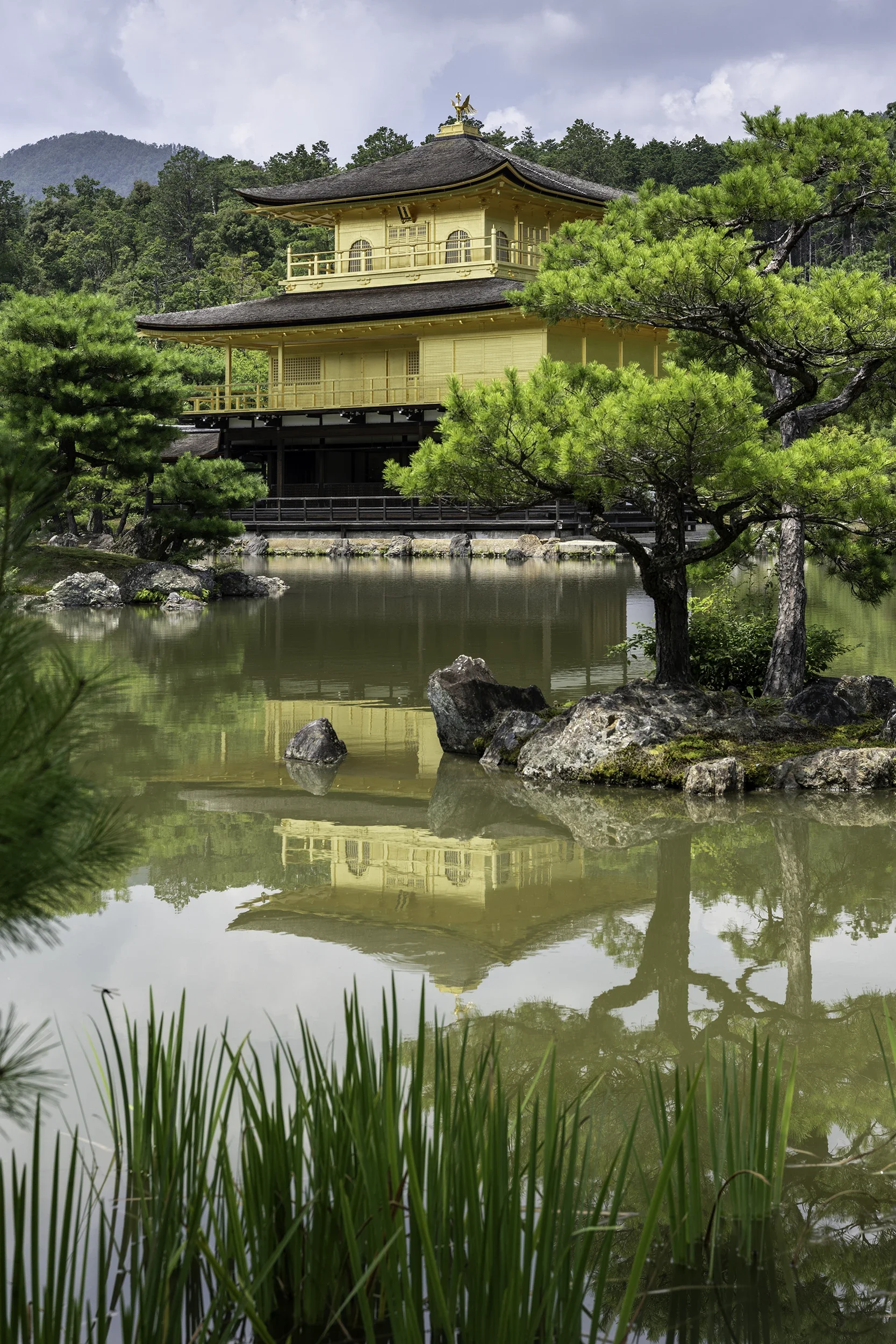
Kinkaku-ji, or the Golden Pavilion, is undoubtedly one of Kyoto's most iconic landmarks. Built in the late 14th century by Shogun Ashikaga Yoshimitsu as a retirement villa, the pavilion was later converted into a Zen temple after his death.
Unfortunately, Kinkaku-ji has faced several devastating fires throughout its history, most notably in 1950 when it was deliberately set ablaze by a novice monk. It was reconstructed five years later, adorned with even more dazzling gold leaf, which visitors can admire today.
Surrounded by a stunning landscape garden designed in line with Zen philosophy, the pavilion reflects beautifully in the large Kyōko-chi ("Mirror Pond"). This breathtaking scene is particularly enchanting during the changing seasons. In winter, when snow blankets the structure, the sight is truly magical.
Kinkaku-ji is located in northwestern Kyoto and is easily accessible by bus. From Kyoto Station, take bus lines 101 or 205 to the Kinkaku-ji-michi stop. The journey takes approximately 40 minutes.
2. Fushimi Inari-taisha: The Shrine of a Thousand Torii
Founded in 711, Fushimi Inari-taisha is dedicated to Inari, the deity of rice, agriculture, and prosperity. This shrine is particularly revered by merchants and farmers who pray for business success and abundant harvests.
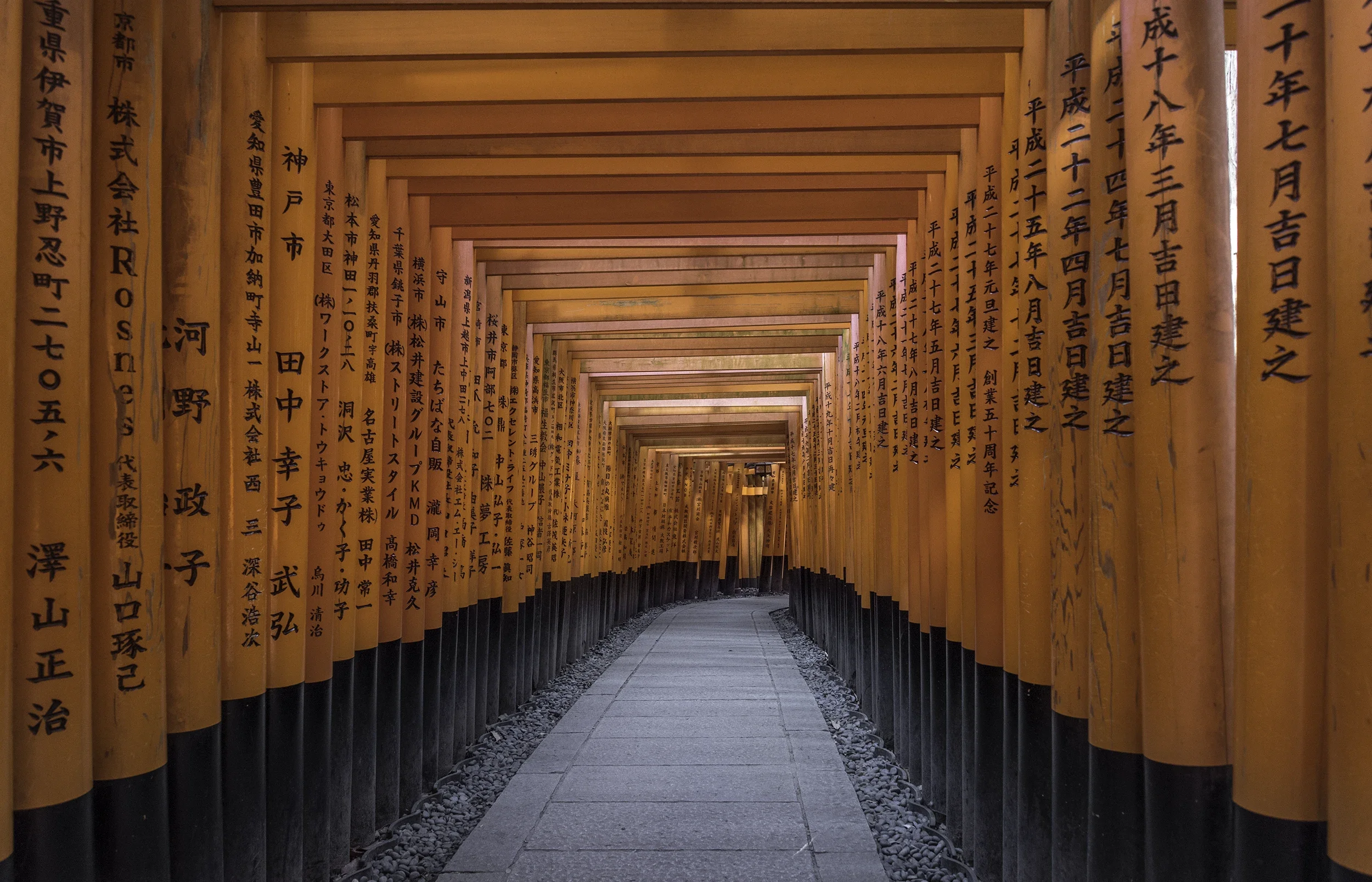
The shrine is famous for its mesmerizing pathway of red torii gates, forming a tunnel that winds up Mount Inari. These gates, numbering over 10,000, have been donated by individuals and businesses as a token of gratitude for Inari's blessings.
Visitors can hike the sacred trail up the mountain, a journey that takes about 2 to 3 hours. At the summit, smaller shrines offer breathtaking views of Kyoto.
Fushimi Inari-taisha is located in southern Kyoto and is easily accessible by train. From Kyoto Station, take the JR Nara Line and alight at Inari Station. The shrine is just a 5-minute walk from the station.
3. Kiyomizu-dera: The Temple of Pure Water
Founded in 778, Kiyomizu-dera is one of Japan’s most famous Buddhist temples. The current structure was rebuilt in 1633 under Shogun Tokugawa Iemitsu. Its name, "Pure Water Temple," comes from the Otowa Waterfall within the temple grounds, whose waters are considered sacred.
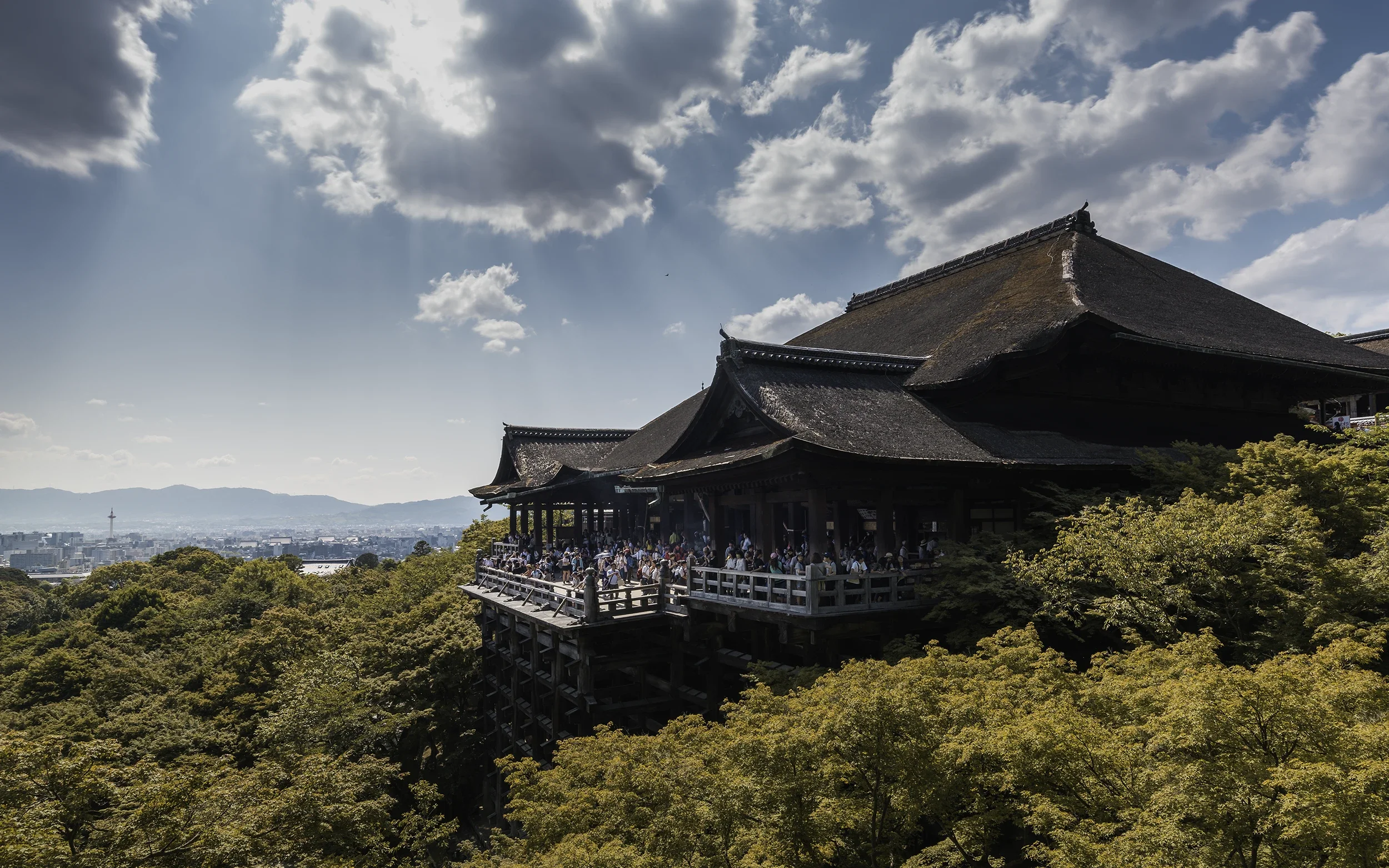
Kiyomizu-dera is closely associated with Kannon, the goddess of mercy, and houses a large statue in her honor. The temple is best known for its vast wooden stage that juts out over the valley below. Built without nails, this platform is supported by massive wooden pillars and offers panoramic views of Kyoto, especially stunning during cherry blossom season in spring and autumn when the maple leaves turn fiery red.
Visitors can also drink from the sacred Otowa Waterfall, believed to grant health, longevity, and success in academics.
Kiyomizu-dera is located in eastern Kyoto and is accessible by bus. From Kyoto Station, take bus lines 100 or 206 to the Gojo-zaka or Kiyomizu-michi stops. From there, it’s about a 10-minute walk to the temple.
4. Daigo-ji: A Hidden Treasure of Kyoto
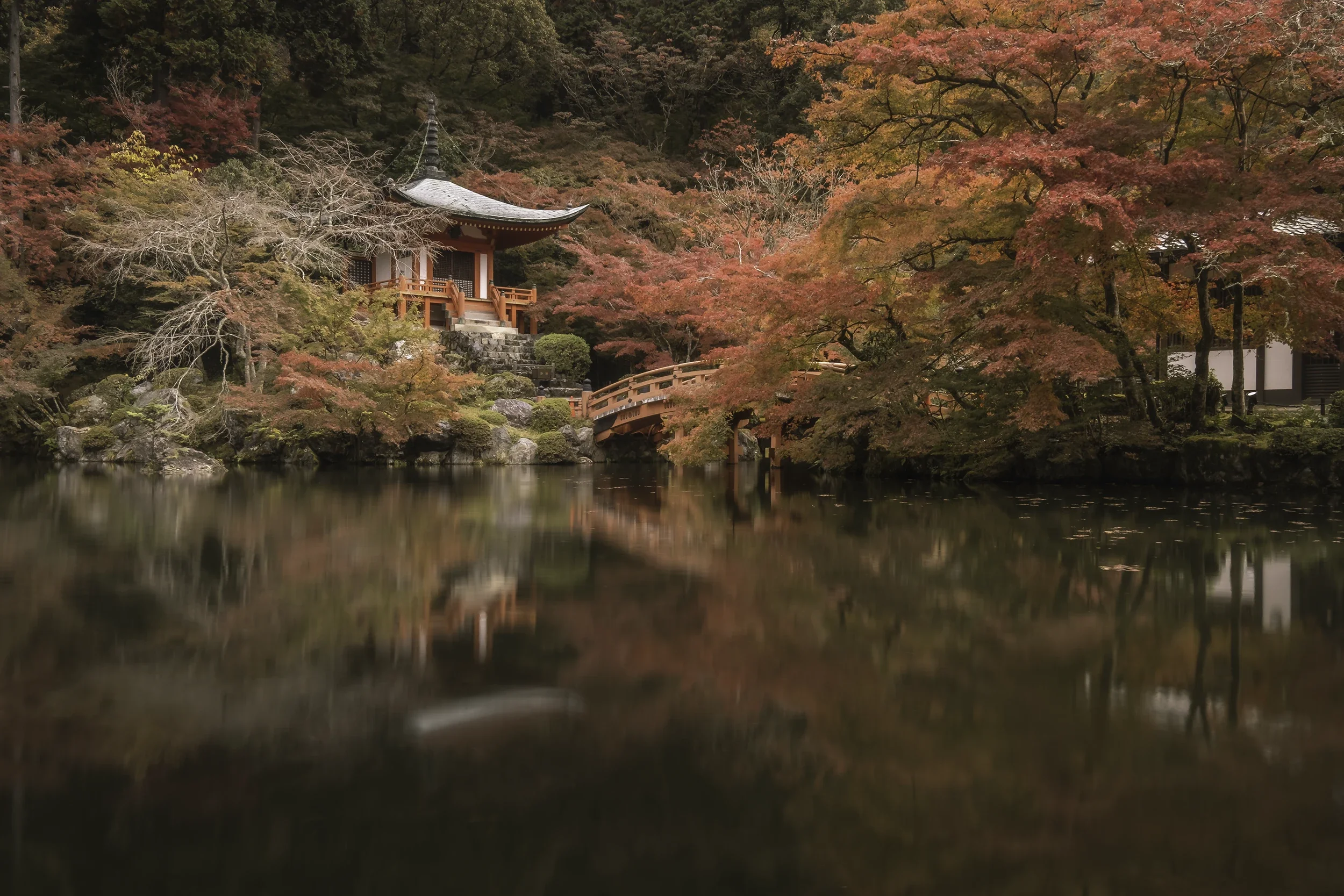
Founded in 874, Daigo-ji is one of Kyoto's most important Buddhist temples and a designated UNESCO World Heritage Site. Belonging to the Shingon school of Buddhism, the temple is renowned for its rich history, beautiful architecture, and spectacular seasonal scenery.
Spread across the lower and upper slopes of Mount Daigo, the temple complex is home to Japan's oldest surviving five-story pagoda, dating back to 951. Visitors can explore elegant temple halls, peaceful gardens, and forested paths that create a serene atmosphere away from Kyoto's busiest tourist sites.
Daigo-ji is particularly famous for its cherry blossoms. In 1598, Toyotomi Hideyoshi hosted an extravagant cherry blossom viewing party here, known as the Daigo no Hanami, an event that remains one of the most celebrated hanami gatherings in Japanese history.
Daigo-ji is located in southeastern Kyoto and is easily accessible by public transport. From Kyoto Station, take the Kyoto Municipal Subway Tozai Line to Daigo Station, then enjoy a pleasant 10-minute walk to the temple entrance.
5. Gion: The Traditional Geisha District
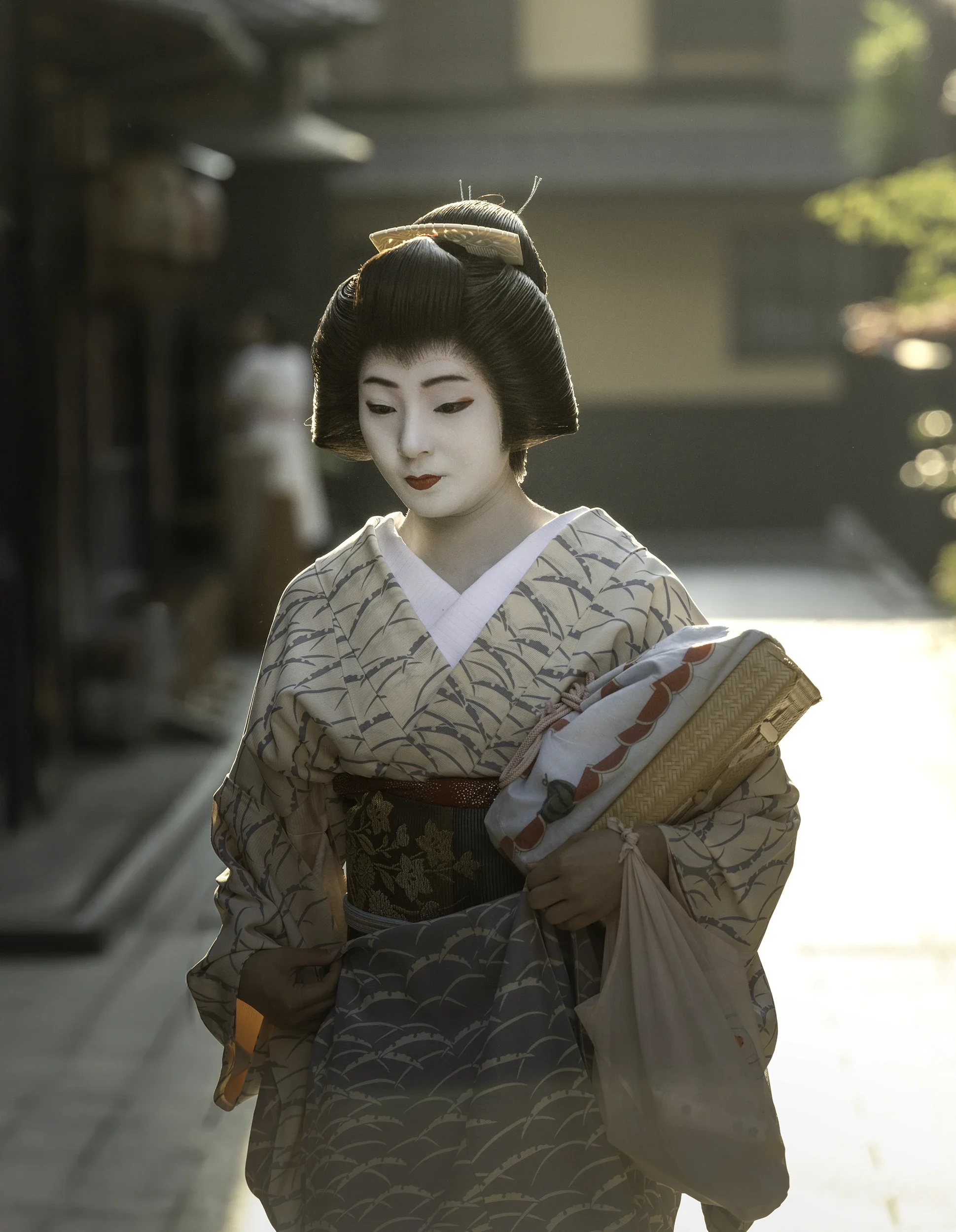
Gion is one of Kyoto’s historic districts, famous for its traditional tea houses (ochaya) and geishas. The district flourished during the Edo period (1603–1868), originally established to serve pilgrims visiting the nearby Yasaka Shrine.
Today, Gion remains one of the few places in Japan where you can spot geishas (called geiko in Kyoto) and their apprentices (maiko) walking along the cobblestone streets. The area is a hub of Japanese culture, with traditional performances of dance and music.
Visitors can stroll along Hanami-koji, Gion's main street, lined with charming wooden buildings, or explore the Yasaka Shrine at the eastern edge of the district.
Gion is located in central Kyoto and is easily accessible by bus. From Kyoto Station, take bus lines 100 or 206 and alight at the Gion stop. The district is also within walking distance of Kiyomizu-dera.
Conclusion
Kyoto is a captivating city that harmoniously blends history, spirituality, and natural beauty. Iconic landmarks like Kinkaku-ji, Fushimi Inari-taisha, and Kiyomizu-dera are living testaments to Japan’s rich cultural heritage. Whether you’re passionate about history, architecture, or nature, these five must-visit spots in Kyoto offer a unique and unforgettable experience. Easily accessible from the city center, they deserve a prominent place in any Kyoto itinerary. With its authenticity and depth, Kyoto will transport you to another era while allowing you to appreciate the timeless beauty of Japan.